Concerns surrounding health issues are prevalent in the current times. Preventive care has the potential to reduce the risk of diseases. This post aims to provide guidance on maintaining wellness and avoiding illnesses.
Preventive care works towards halting diseases before they initiate. It incorporates screenings for conditions like cancer, heart disease, and more. Such assessments aid in discovering problems at an early stage when they’re easier to address.
Heart disease stands as a significant worry, yet routine screenings can detect early signs. Cancer screenings are also vital. Tests such as those for breast, cervical, colorectal, and lung cancers can prove life-saving by detecting cancer at an early stage.
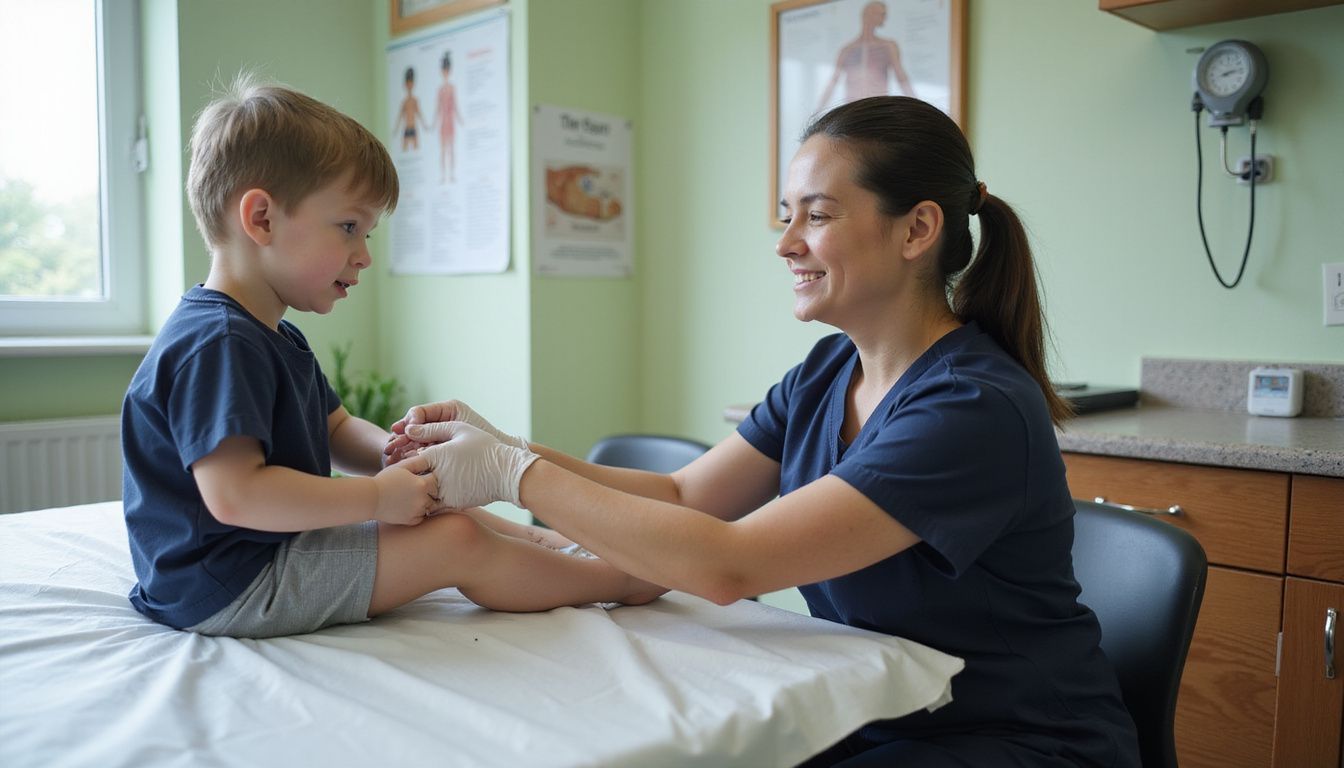
Vaccines also significantly contribute to preventive health. They safeguard against ailments like flu and HPV. Getting vaccinated minimizes your chances of falling ill.
Modification in lifestyle also holds significance in prevention – consuming nutritious foods, increasing physical activity, quitting tobacco intake can all induce a positive difference.
Health insurance, through the Affordable Care Act (ACA), includes many preventive services. Explore what’s included at healthcare.gov or via your insurance marketplace.
Acknowledging family health history is also crucial; it aids in comprehending risks associated with diseases like diabetes or cancer.
Routine screenings based on age and risk factors are crucial to detect potential issues before they escalate into serious problems.
Key Takeaways
- Preventive care includes screenings for diseases like cancer and heart disease. These help find problems early.
- Vaccines protect against illnesses such as flu and HPV. They are important for everyone.
- Eating healthy and exercising can lower the risk of chronic diseases.
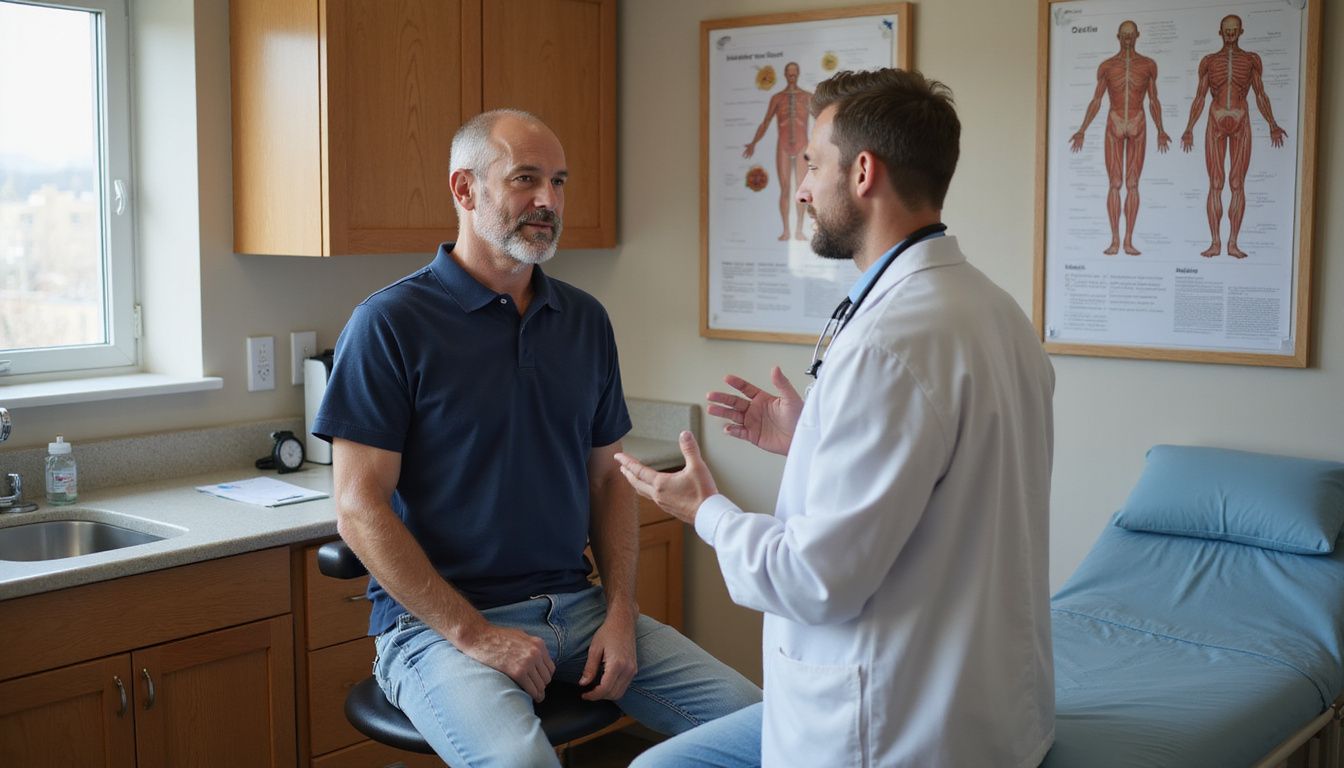
- Regular check-ups with doctors help catch health issues before they get worse.
- Managing stress and getting enough sleep are key to staying healthy.
The Importance of Preventive Health
 Preventive healthcare prevents diseases and early deaths. It detects health problems early, saving lives and cutting healthcare costs. Many in the U.S. miss out on preventive services.
Healthy People 2030 aims for everyone to get preventive care.
High costs, lack of local doctors, long travel distances for care, and unawareness block access to these services. Education on available preventive care and law changes can increase access to crucial services.
Routine Screenings
Routine screenings are vital for detecting health issues early. They include regular checks for cancer, blood pressure, and cholesterol levels.
Cancer Screenings (e.g., breast, cervical, colorectal)
Cancer screenings catch cancers early, making them easier to treat. These tests spot cancer before symptoms appear.
- Mammograms are X-rays for breast cancer screening. Experts recommend women start at age 40 to 44 and continue yearly.
- Pap tests or HPV tests are used for cervical cancer screening. They detect changes in the cervix that could lead to cancer. Women should begin these at age 21 and follow their doctor’s schedule.
- Colorectal cancer screenings look for signs of colon or rectal cancer with stool tests or a colonoscopy starting at age 45.
- Lung cancer screenings with low-dose CT scans target those who have smoked heavily, aged between 50 and 80.
Tobacco use significantly increases the risk of several cancers, including lung cancer, leading to numerous deaths annually. Early detection through these screenings can improve health outcomes significantly by allowing for earlier treatment.
Blood Pressure and Cholesterol Checks
Regular checks on blood pressure and cholesterol are essential for heart health. High blood pressure is a major cause of death globally.
- A simple tool measures your blood pressure to spot heart risks.
- A quick blood test checks cholesterol, pinpointing early signs of heart disease.
- If your blood pressure is normal, check it yearly. Check more often if it’s high.
- Adults need a cholesterol test every 4 to 6 years.
- Your family health history can shed light on your risk for high blood pressure and cholesterol issues.
- Healthy eating and exercise can reduce these risks.
- Smoking raises blood pressure, so stopping smoking is vital.
- Stress impacts your blood pressure; managing stress helps control it.
- Some might need medications for their blood pressure or cholesterol levels.
- Seeing your doctor regularly keeps you informed about your health status and allows for necessary adjustments in care.
These steps are part of preventive healthcare that identifies early signs of potential problems, preventing severe diseases later.
Immunizations
Immunizations are crucial for safeguarding against various diseases, including routine vaccinations and seasonal vaccines like flu and COVID-19. It’s important to follow the immunization chart provided by healthcare professionals for optimal preventive health.
Routine Vaccinations
Routine vaccinations are an essential part of preventive healthcare for people of all ages. They help protect individuals and communities from serious and potentially life-threatening diseases. Vaccinations save significant costs, with childhood immunizations consistently proving to be cost-effective.
Vaccines shield individuals from diseases and contribute to disease prevention on a broader scale. Regular vaccination schedules are vital in this effort.
Seasonal Vaccines (e.g., flu, COVID-19)
Seasonal vaccines, like the flu and COVID-19, are important for preventing severe illness and hospitalization. They are recommended for everyone aged 6 months and older. High-risk groups, including older adults, pregnant individuals, and those with chronic health conditions, should prioritize getting vaccinated. Vaccination clinics offer free vaccines for children under 18 as well as uninsured or underinsured adults.
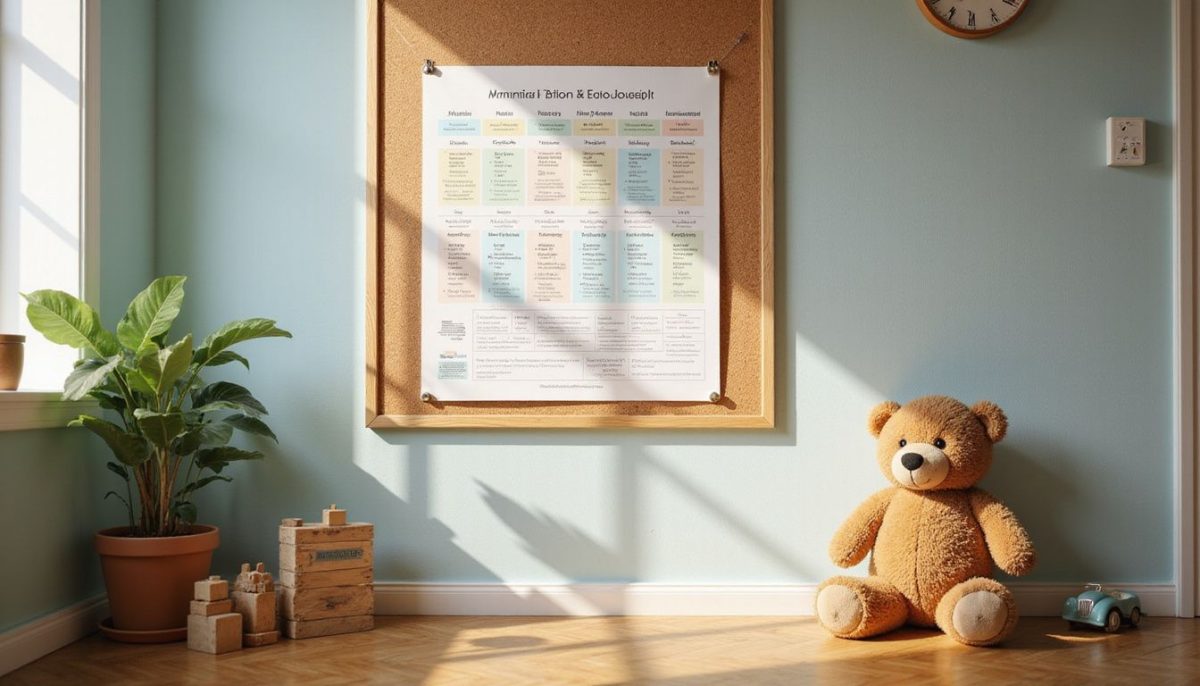
Immunization Chart
The 2025 Immunization Schedules, approved by ACIP and adopted by the CDC Director on October 24, 2024, signify an advancement in public health. Starting November 21, 2024, the Child and Adolescent Immunization Schedule and the Adult Immunization Schedule will become active. These schedules are essential for preventing vaccine-preventable diseases. Below is a straightforward chart to assist you with understanding the primary vaccines and their recommended times.
| Age Group | Vaccines |
|---|---|
| Birth to 6 years | Hepatitis B, DTaP (Diphtheria, Tetanus, Pertussis), Hib (Haemophilus influenzae type b), Polio, MMR (Measles, Mumps, Rubella), Chickenpox |
| 7 to 18 years | DTaP booster, Meningococcal, HPV (Human Papillomavirus), Tdap (Tetanus, Diphtheria, Pertussis booster) |
| Adults | Tdap booster, Shingles, Pneumococcal, Seasonal Influenza, COVID-19 |
This table summarizes the vaccination recommendations for various life stages, from birth to adulthood. For those searching for extended information, additional resources on children’s vaccines, adult vaccination, and specific vaccination guidelines are accessible. Vaccines play a critical role in protecting you and your community against preventable diseases.
Wellness Visits
Wellness visits are crucial for maintaining your health. Regular check-ups with a healthcare professional can help detect any problems early and prevent them from getting worse. To learn more about the importance of wellness visits, read our blog!
Annual Checkups
Annual checkups are essential for preventive health care and should include the following:
- Personal history evaluation and lifestyle risk assessments.
- Medication reviews and physical exams to check vital signs.
- Effective communication between patients and providers enhances the visit’s benefits.
These visits prioritize early disease detection and provide an opportunity to discuss any health concerns with a healthcare professional.
Dental and Vision Exams
Regular dental and vision exams are crucial for maintaining good overall health. Here’s what you should know:
- Dental Exams:
- Dentists advise checkups every six months to prevent tooth decay and gum disease.
- These checkups enable early identification of oral health issues, leading to improved treatment outcomes.
- Proper dental care reduces the risk of cavities and helps ensure fresh breath.
- Vision Exams:
- Eye doctors recommend annual vision exams to detect any changes in eyesight.
- These exams can uncover underlying conditions like glaucoma or cataracts early, enhancing treatment options.
- Prescribed corrective lenses during these exams aid in enhancing daily visual performance.
These regular exams play a crucial role in upholding good oral and visual health, contributing to your overall well-being.
Preventive Lifestyle Measures
Maintaining a healthy diet with regular exercise can significantly reduce the risk of chronic diseases. It’s essential to prioritize your health by adopting preventive lifestyle measures.
Want to learn more about how these small changes can have a big impact on your well-being?
Healthy Eating and Regular Exercise
Healthy eating and regular exercise are essential for maintaining overall health. Here are some important steps to consider:
- Focus on a balanced diet that includes fruits, vegetables, whole grains, lean proteins, and healthy fats.
- Limit the intake of processed foods, sugary drinks, and high-calorie snacks.
- Include physical activity in your daily routine, aiming for at least 150 minutes of moderate exercise per week.
- Set specific fitness goals to stay motivated and track your progress.
- Drink plenty of water throughout the day to stay hydrated and support bodily functions.
- Establish a consistent meal schedule to regulate energy levels and prevent overeating.
Keep in mind that making small but sustainable changes in your lifestyle can significantly enhance your overall well-being.
Stress Management and Mental Health Support
Stress can negatively affect health, including emotions, behavior, thinking, sleep, and physical well-being. It can worsen existing health issues if not managed properly. Healthy coping techniques like mindfulness, relaxation, and journaling are important to combat stress. Ensure sufficient sleep, regular exercise, and a balanced diet as these are essential for managing stress. Building and maintaining social connections help alleviate stress and provide mental health support.
Conclusion
In sum, prioritizing preventive health makes a big difference. Regular check-ups, screenings for cancer and other diseases, vaccinations, and healthy lifestyle choices all aid in keeping you healthy.
It’s essential to catch potential issues early through these measures. By making preventive health a priority, you’re taking a proactive approach toward your well-being – a choice that can potentially add years of good health to your life.
For a comprehensive guide on age-appropriate vaccinations, please visit our Immunization Chart.
References
- https://www.healthline.com/health/what-is-preventive-health-and-why-is-it-important
- https://odphp.health.gov/healthypeople/objectives-and-data/browse-objectives/preventive-care
- https://www.cdc.gov/cancer/prevention/screening.html (2025-01-16)
- https://www.heart.org/en/health-topics/consumer-healthcare/what-is-cardiovascular-disease/heart-health-screenings (2024-01-16)
- https://www.hamptonfamilypractice.com/preventive-health-screenings/ (2024-11-20)
- https://www.cdc.gov/vaccines/index.html
- https://www.health.state.mn.us/diseases/respiratory/vaccine/index.html
- https://www.cdc.gov/vaccines/hcp/imz-schedules/index.html (2024-11-20)
- https://www.adventhealth.com/primary-care-plus/blog/what-annual-wellness-visit
- https://pmc.ncbi.nlm.nih.gov/articles/PMC8455445/
- https://pmc.ncbi.nlm.nih.gov/articles/PMC8638718/
- https://www.cdc.gov/nutrition/features/healthy-eating-tips.html
- https://www.sciencedirect.com/science/article/pii/S003306202100133X
- https://www.cdc.gov/mental-health/living-with/index.html (2024-08-16)