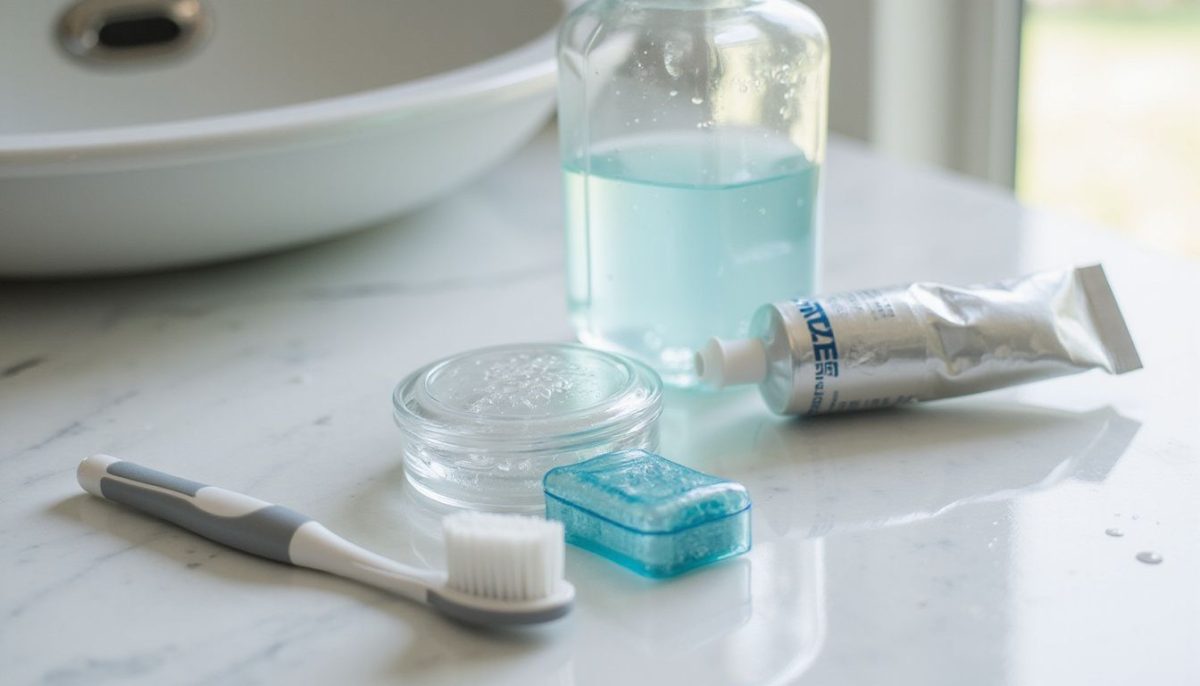
Everyone aims for healthy teeth, but facing gum disease and tooth decay is quite common. Dental plaque is the main cause behind these issues. This post will guide you through simple steps to improve your oral health care.
Key Takeaways
- Brush teeth twice a day with fluoride toothpaste and use floss daily to keep gums and teeth healthy. Replace your toothbrush every 3-4 months.
- Visit the dentist every six months for check-ups and cleanings to prevent oral problems. This helps catch issues early.
- Kids should start dental care young, with visits by their first birthday. They need extra help brushing until they’re about six.
- Adults and older people face more risks of gum disease and tooth decay. Regular dental care is important, even though Medicare doesn’t always cover it.
- Using water flossers can be an alternative for those who find string floss difficult, including people with braces.
Importance of Oral Health

Maintaining healthy teeth and gums benefits more than just oral wellbeing. It enhances aspects like eating, talking, and smiling. Consistent brushing and flossing defend against tooth loss by combating bacteria causing gum ailments.
Gum ailments often link to heart conditions, strokes, and pregnancy-related complications like low birth weight or early childbirths.
Oral health mirrors total health. For example, periodontitis influences sugar management in individuals with diabetes. Similarly, inadequate oral cleanliness increases the threat of heart conditions and stroke.
Ensuring oral cleanliness is essential for your overall physical health.
Daily Oral Hygiene Practices
Proper brushing techniques and flossing are essential for daily oral hygiene. Using fluoride toothpaste and a water flosser can help maintain good oral health.
Proper brushing techniques
Brush your teeth right to keep them healthy. Use fluoride toothpaste and a soft-bristled toothbrush.
- Brush your teeth twice a day, once in the morning and again before bed.
- Apply a pea-sized amount of fluoride toothpaste to fight decay and strengthen tooth enamel.
- Angle your brush at 45 degrees to your gums for effective cleaning.
- Gently move the brush in small circles covering all tooth surfaces and the gum line.
- Carefully clean the front, back, and chewing surfaces of each tooth.
- Brush your tongue to remove bacteria and prevent bad breath.
- Replace your toothbrush every 3-4 months or when the bristles wear out.
- After brushing, spit out the toothpaste but avoid rinsing right away to keep fluoride on your teeth longer.
These steps help prevent gum disease, tooth loss, and other oral health issues.
Flossing tips and recommendations
Flossing is a preventive measure against gum disease and tooth decay by clearing food particles and plaque in the spaces between teeth.
- Initiate with 2 feet of dental floss, coiling most around your middle fingers, while reserving a small part for the actual flossing.
- Firmly hold the string using your thumbs and index fingers.
- Gently slide the floss in the gap between two teeth.
- Bend it to take the shape of a “C” against a tooth and slip it beneath the gumline.
- Slide the floss up and down, ensuring all sections of the tooth are clean.
- Opt for a new part of the floss for every tooth to prevent plaque movement.
- For hard-to-reach areas, use a floss holder or threader which are helpful.
Another option for those having difficulty with string floss is the use of water flossers.
Children should start flossing once two neighboring teeth are in contact, often with an adult’s guidance until they reach around 10 or 11 years of age.
Those wearing braces should use particular implements like threaders to effectively clean around the wires and brackets.
This regimen aids in preserving oral hygiene, warding off detrimental bacteria for better health generally.
Preventative Dental Care
To maintain good oral health, regular dental check-ups and professional cleanings are essential. Dental visits help in preventing tooth decay, gum disease, and other oral health issues.
Routine dental check-ups
Regular dental check-ups are vital for maintaining excellent oral health. Visiting the dentist every six months is key to preventing tooth decay, gum disease, and other oral problems.
Most dental plans include these services as they help in identifying issues early, often before any symptoms appear.
The CDC recommends community water fluoridation and sealants to minimize cavities. Preventive dentistry emphasizes the importance of regular check-ups and cleanings, which can greatly impact overall health.
Regular dental exams enable early detection of potential issues, ensuring improved long-term oral health.
Professional cleanings
Professional cleanings by a dental hygienist are crucial for maintaining optimal oral health. Regular cleanings help prevent cavities, gum disease, and other dental issues. It’s advisable to have professional cleanings every six months as recommended by the American Dental Association.
During these appointments, the dental hygienist will eliminate plaque and tartar that regular brushing and flossing may not fully address. For individuals at high risk, fluoride treatments may be recommended to provide extra protection against tooth decay.
Those with diabetes or other health conditions should consider more frequent professional cleanings to ensure comprehensive oral care.
Keep track of your last professional cleaning and schedule your next one if it’s been over six months!
Oral Health for Different Life Stages
Oral health needs change as we age. Children and teenagers require extra attention to their developing teeth, while adults and seniors may face different challenges like gum disease or tooth decay.
Each stage of life brings unique oral health concerns that are important to address.
Children and teens
Children and teens need to take good care of their teeth. Over 50% of kids aged 12-19 have had tooth decay, and less than 42% have dental sealants on their permanent teeth. That’s important because sealants can prevent up to 80% of cavities in back teeth for years.
It’s best for parents to wipe infants’ gums twice daily and plan a dental visit by the child’s first birthday. Kids should brush their teeth with fluoride toothpaste twice a day, with adults supervising children under six to ensure they are brushing properly.
Regular dental check-ups can help catch any issues early on, preventing bigger problems later. This kind of preventative care is crucial for kids’ oral health as they grow up.
Adults and seniors
Adults and seniors encounter increasing challenges in maintaining good oral health. As people age, the risk of tooth decay and gum disease becomes more prominent. Additionally, around 80% of older Americans have at least one chronic disease, making it more challenging to maintain proper oral hygiene.
Older adults with lower incomes and specific racial/ethnic backgrounds are notably impacted by severe tooth loss. Regrettably, Medicare does not usually cover dental benefits, creating barriers for them to access necessary oral health care.
Xerostomia (dry mouth) is also a common issue among older adults due to medication use. This condition increases the risk of developing dental problems such as tooth decay and gum disease.
Hence, preventative measures and regular dental check-ups are crucial for maintaining good oral health throughout adulthood and into the senior years.
Conclusion
In conclusion, proper oral hygiene is vital for everyone, regardless of age. Regular brushing and flossing are crucial to prevent tooth decay and gum disease. Routine dental check-ups, professional cleanings, and community water fluoridation also significantly contribute to maintaining good oral health.
It’s crucial to keep in mind that simple daily habits can lead to a lifetime of healthy smiles.
In summary, looking after your teeth and gums from childhood through adulthood is essential for overall health. By prioritizing oral hygiene practices, individuals can fend off potential dental issues and sustain an optimal quality of life.
For more comprehensive health care tips, don’t forget to check out our guide on the importance of regular eye health exams.
References
- https://my.clevelandclinic.org/health/treatments/16914-oral-hygiene
- https://www.sciencedirect.com/science/article/pii/S0020653923009632
- https://www.mouthhealthy.org/all-topics-a-z/flossing
- https://www.cigna.com/knowledge-center/what-is-preventive-dentistry
- https://www.cdc.gov/oral-health/prevention/oral-health-tips-for-children.html
- https://www.ncbi.nlm.nih.gov/books/NBK578296/