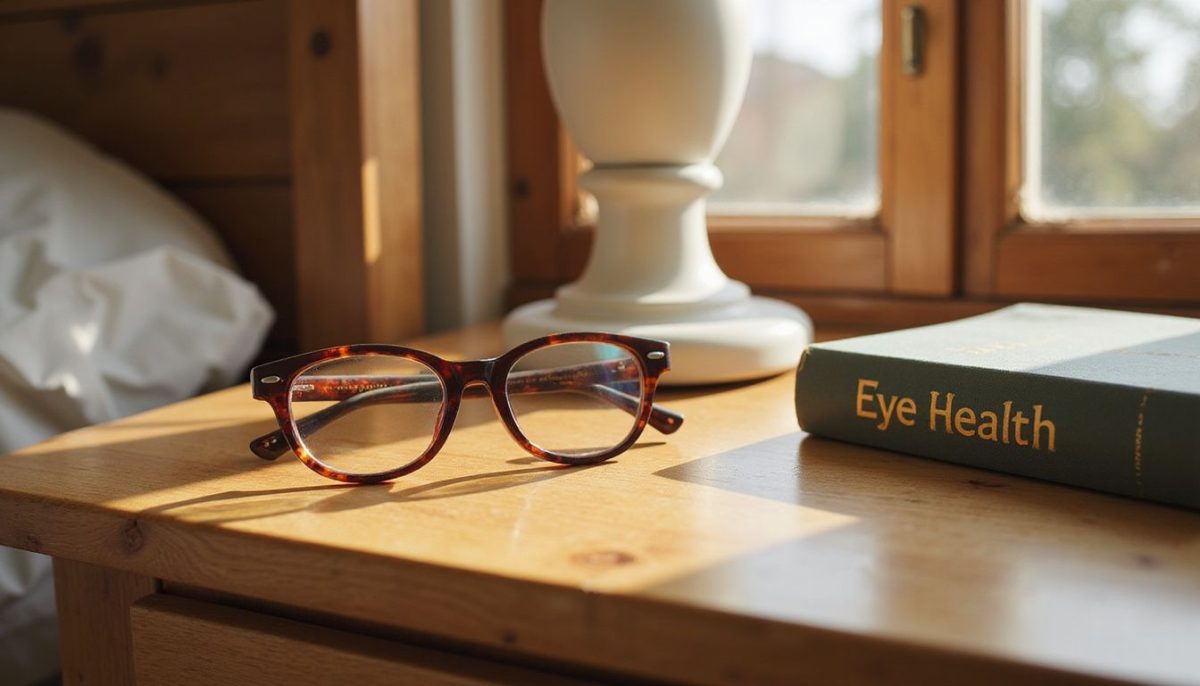
Maintaining ocular health is essential. Early detection of issues through an eye exam is beneficial. This article imparts methods to preserve optimal eye health. Eye evaluations are crucial due to their ability to preemptively identify concerns such as vision impairment, cataracts, and glaucoma.
These evaluations assess various facets of your ocular health and visual perception, including your visual sharpness, gauging how well you perceive at different distances.
An all-inclusive eye exam comprises several assessments. These could involve a slit lamp test to inspect the anterior segment of the eye, gauging intraocular pressure to detect glaucoma, and scanning for indications of retinal conditions like macular degeneration or diabetic retinopathy.
Professionals also evaluate the optic nerve for any deterioration that might lead to vision impairment.
For individuals using spectacles or contact lenses, procuring the correct prescription is vital for unambiguous sight and to evade headaches resulting from eyestrain. Contact lenses necessitate an exclusive fitting by an ocular health professional who will ascertain they do not damage your eyes.
Ocular health can also provide insights into other health issues in our bodies, such as hypertension or diabetes. Hence, routine eye exams are significant for comprehensive health, not just vision.
Ophthalmologists recommend that adults regularly get their eyes checked, even in the absence of noticeable problems.
Key Takeaways
- Eye exams can find problems like vision issues and diseases early. This helps keep eyes healthy.
- Kids and adults need eye checks at different times. It helps catch any eye problems quickly.
- Eating right, taking breaks from screens, and using the 20-20-20 rule are good for your eyes.
- Myopia (near-sighted) and hyperopia (far-sighted) affect how well you see things close or far away. Treatments help fix these.
- Cataracts make your lens cloudy, but surgery can fix it. Glaucoma hurts the optic nerve, which can lead to lost sight if not treated early.
Importance of Regular Eye Exams
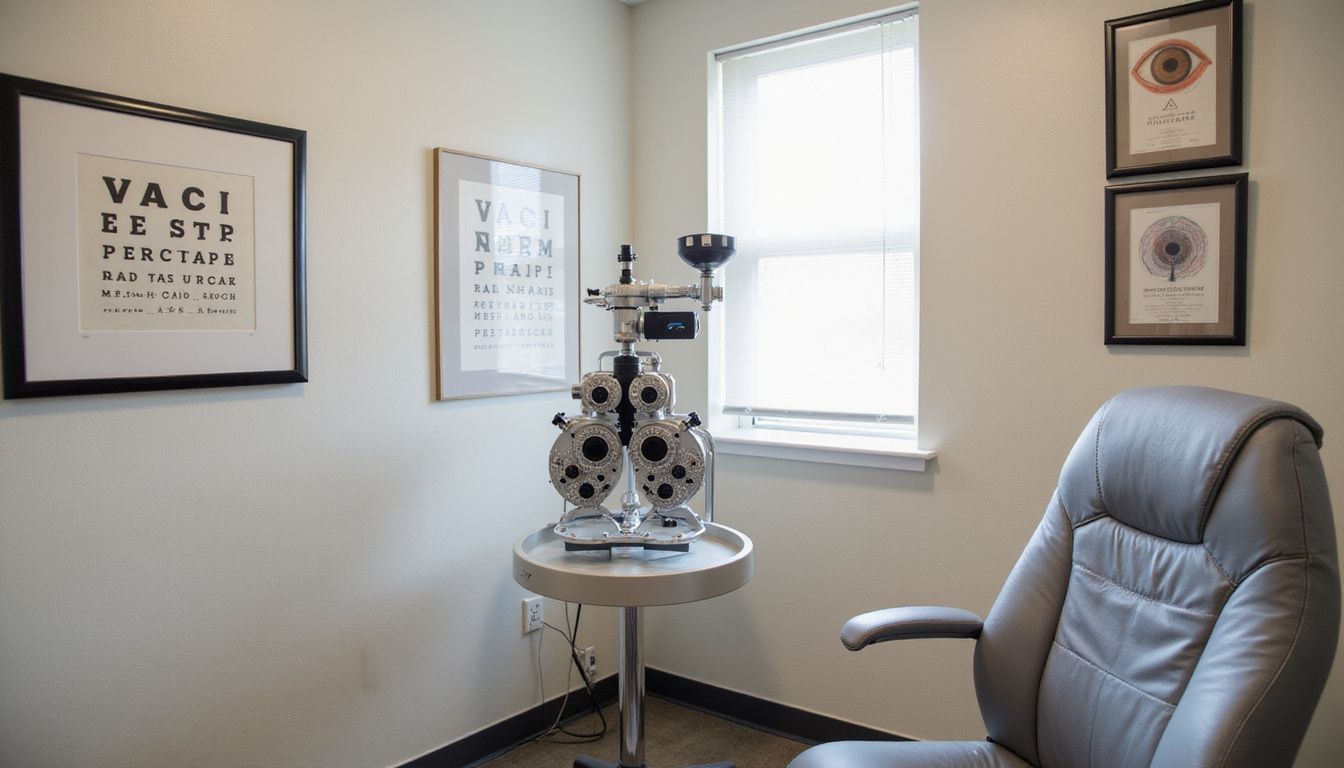
Regular eye exams are essential for maintaining good vision and overall eye health. These exams can detect problems early, such as myopia or glaucoma, allowing for timely intervention to prevent vision loss. Moreover, comprehensive eye exams also provide an opportunity to assess general health, as certain systemic conditions can manifest in the eyes.
Frequency of eye exams for different age groups
Taking care of your eyes is crucial at every stage of life. The first step is knowing how often to get your eyes checked. Eye exams can catch problems early, even before you notice any change in your vision. Here’s a guide to how often different age groups should visit an eye doctor.
| Age Group | Frequency of Eye Exams |
|---|---|
| Children (Birth–2 years) | At 6–12 months for kids with no symptoms, or as needed if they’re at risk. |
| Children (Ages 3–5) | At least once during this time. |
| Children (Ages 6–17) | Before first grade and then every year. |
| Adults (Ages 18–39) | Every 2 years if you have no symptoms. If you’re at risk, go every year. |
| Adults (Ages 40–64) | Every 2 years. |
| Adults (Ages 65 and older) | Every year. |
Young kids need their eyes checked even if they don’t show signs of problems. This helps catch any issues that could affect their learning and development. Once you’re an adult, the risks to your eyesight increase, especially if you have health problems like diabetes or high blood pressure, which can affect your eyes. That’s why the frequency of exams picks up as you get older. Making these visits a regular part of your health routine can help keep your eyes healthy for life.
Key components of a comprehensive eye exam
Eye doctors conduct comprehensive eye exams to spot any issues early on.
- A visual acuity test uses a Snellen chart. You read letters from a distance to see if you need glasses.
- To detect glaucoma, they check intraocular pressure with a puff of air. Glaucoma can damage the optic nerve without early detection.
- They examine your retina to see if there’s any damage or disease at the back of your eye where light focuses.
- The optic nerve’s health gets checked by looking at the optic disk and cup-to-disk ratio, indicating if there’s harmful pressure.
- A slit lamp shines light into your eye to inspect the cornea for clarity and health.
- Lens clarity is evaluated for signs of cataracts. If the lens is cloudy, surgery might be necessary.
These steps allow eye care professionals to catch vision problems or diseases early on. This leads to better chances of keeping eyes healthy longer.
Common Eye Conditions and Their Impact
Common eye conditions like myopia and hyperopia can affect everyday activities, such as reading or driving. These conditions can lead to blurred vision and may require corrective lenses or surgery to address.
Cataracts and glaucoma are also common, causing clouding of the lens and increased pressure in the eye, which if left untreated, can lead to vision loss over time.
Myopia and hyperopia
Myopia, or near-sightedness, causes distant objects to appear blurry. It’s a leading vision problem in children. By 2030, experts estimate that 2.5 billion people will be affected by myopia.
Untreated, it worsens over time. Atropine eye drops can significantly slow its progression. Orthokeratology uses special contact lenses at night to reshape the cornea and combat myopia.
Hyperopia, or far-sightedness, blurs close objects while distant ones remain clear. This condition occurs when the eyeball is too short or the lens bends light improperly. Hyperopia can lead to squinting and headaches due to difficulty with close-up vision.
Glasses and contacts effectively correct hyperopia’s impact on sight unlike myopia; spending more time outdoors does not prevent hyperopia.
Cataracts and glaucoma
Cataracts cause cloudiness in the lens, which results in impaired vision. They are a common occurrence among individuals over 60 years old and can lead to reversible vision loss through surgery.
On the other hand, glaucoma involves damage to the optic nerve, leading to irreversible vision loss. These conditions can often occur simultaneously due to aging.
Cataract surgery involves removing the cloudy lens and inserting a clear intraocular lens. Laser-assisted cataract surgery provides enhanced precision, leading to quicker recovery and reduced post-surgical complications.
Regular eye check-ups play a crucial role in early detection and management of both cataracts and glaucoma.
Early detection is key for managing cataracts and glaucoma.
Tips for Maintaining Healthy Eyesight
Maintaining healthy eyesight is crucial for overall well-being. Proper nutrition, such as consuming foods abundant in vitamins and minerals like leafy greens and fish, can support good vision. Moreover, taking regular breaks from screens and practicing the 20-20-20 rule – looking at something 20 feet away for 20 seconds every 20 minutes – can help alleviate eye strain caused by prolonged screen time.
Proper nutrition for eye health
Maintaining healthy eyesight begins with proper nutrition. Here’s how you can support your eye health through what you eat:
- Include foods rich in Vitamin C, such as oranges and strawberries.
- Consume sources of Vitamin E like almonds and sunflower seeds.
- Add zinc-rich foods to your diet, such as lean meat and legumes.
- Incorporate leafy greens like spinach and kale for lutein and zeaxanthin.
- Consume omega-3 fatty acids found in fish like salmon or chia seeds.
A well-balanced diet is crucial for preserving good vision throughout your life.
Reducing screen time and practicing the 20-20-20 rule
Looking at screens for long periods can strain your eyes. Here’s how to prevent it:
- Follow the 20-20-20 rule. Every 20 minutes, look at something 20 feet away for 20 seconds.
- Take regular breaks from screens to reduce eye strain.
- Reduced blinking during screen time can dry out your eyes, causing discomfort.
- Symptoms of eye strain include sore or burning eyes, dryness, blurred vision, and headaches.
- Research shows that following the 20-20-20 rule reduces eye strain symptoms.
- Position your screen at least 25 inches away for better ergonomics.
These steps can help maintain healthy eyesight when using screens regularly.
Resources for Eye Health
5. Resources to Support Your Eye Health:
Locate a trusted eye care provider who can provide expert advice and assistance customized to your specific requirements. Delve into educational resources on common eye conditions, treatments, and proactive steps for preserving excellent vision.
Finding a trusted eye care provider
When seeking a reliable eye care provider, there are some important factors to consider. Firstly, the Cleveland Clinic emphasizes the importance of regular eye exams and offers resources for scheduling.
Moreover, CareCredit provides financing options for eye exams and surgeries, including costs not covered by insurance. The EyeDoctors Optometrists also offer resources for informed decisions about eye health.
Additionally, regular eye exams are crucial for detecting vision problems and updating prescriptions.
Telehealth options for eye care offer remote consultations for improved accessibility. Acceptance Locator and a mobile app available can help in managing accounts while ensuring that patients receive quality care from reliable providers.
Educational materials on eye conditions and treatments
Proper knowledge and understanding of eye conditions and treatments are crucial for maintaining healthy eyesight. Educational materials play a significant role in this regard. Here’s what you need to know:
- Free digital downloads of lesson plans for grades 3K to 5 focused on eye health and safety are available, aiming to educate young students on the importance of eye care.
- Resources for parents include guides on making eye doctor appointments and multilingual text message reminders, ensuring that parents have the necessary information to prioritize their child’s eye health.
- Strategies for promoting healthy vision emphasize comprehensive dilated eye exams regularly, serving as essential educational tools for individuals seeking to maintain optimal eye health.
- The curriculum for teachers aligns with Common Core Standards, focusing on eye health and safety, providing educators with structured materials to impart crucial information to their students.
- Resources address the role of eyes and common vision problems, offering detailed information aimed at enhancing public awareness and understanding of various eye conditions.
- N/A
Conclusion
In conclusion, maintaining healthy eyesight for life is crucial for overall well-being. Regular eye exams help detect potential issues early and allow for timely intervention. By including proper nutrition, reducing screen time, and seeking regular professional care, individuals can take proactive steps in preserving their vision.
It’s important to consult with a reliable eye care provider to unveil the secrets of long-term eye health. With these measures, one can ensure optimal eye health throughout their lifetime.
For more tips on maintaining your overall wellness, check out our guide on essential skin health practices.
References
- https://www.aao.org/education/clinical-statement/frequency-of-ocular-examination
- https://www.chicovisioncare.com/blog/1282247-eye-exam-frequency-whats-recommended-for-different-age-groups
- https://www.aoa.org/healthy-eyes/caring-for-your-eyes/eye-exams
- https://www.ncbi.nlm.nih.gov/books/NBK470669/
- https://glaucoma.org/articles/cataracts-and-glaucoma
- https://www.cdc.gov/vision-health/about-eye-disorders/index.html (2024-05-15)
- https://www.aao.org/eye-health/tips-prevention/diet-nutrition
- https://www.hopkinsmedicine.org/health/wellness-and-prevention/nutrition-and-eye-health
- https://www.healthline.com/health/eye-health/20-20-20-rule
- https://www.nei.nih.gov/learn-about-eye-health/nei-for-kids/healthy-vision-tips
- https://www.theeyedoctors.net/eye-care-resources
- https://www.nei.nih.gov/learn-about-eye-health/healthy-vision/keep-your-eyes-healthy (2024-11-26)
- https://wisconsin.preventblindness.org/vision-and-eye-health-educational-materials-for-teachers/