Categories
Uncategorized

Best Preventive Health Strategies for You

Concerns surrounding health issues are prevalent in the current times. Preventive care has the potential to reduce the risk of diseases. This post aims to provide guidance on maintaining wellness and avoiding illnesses.

Preventive care works towards halting diseases before they initiate. It incorporates screenings for conditions like cancer, heart disease, and more. Such assessments aid in discovering problems at an early stage when they’re easier to address.

Heart disease stands as a significant worry, yet routine screenings can detect early signs. Cancer screenings are also vital. Tests such as those for breast, cervical, colorectal, and lung cancers can prove life-saving by detecting cancer at an early stage.

Vaccines also significantly contribute to preventive health. They safeguard against ailments like flu and HPV. Getting vaccinated minimizes your chances of falling ill.

Modification in lifestyle also holds significance in prevention – consuming nutritious foods, increasing physical activity, quitting tobacco intake can all induce a positive difference.

Health insurance, through the Affordable Care Act (ACA), includes many preventive services. Explore what’s included at healthcare.gov or via your insurance marketplace.

Acknowledging family health history is also crucial; it aids in comprehending risks associated with diseases like diabetes or cancer.

Routine screenings based on age and risk factors are crucial to detect potential issues before they escalate into serious problems.

Key Takeaways

  • Preventive care includes screenings for diseases like cancer and heart disease. These help find problems early.
  • Vaccines protect against illnesses such as flu and HPV. They are important for everyone.
  • Eating healthy and exercising can lower the risk of chronic diseases.
  • Regular check-ups with doctors help catch health issues before they get worse.
  • Managing stress and getting enough sleep are key to staying healthy.

The Importance of Preventive Health

Preventive healthcare prevents diseases and early deaths. It detects health problems early, saving lives and cutting healthcare costs. Many in the U.S. miss out on preventive services.

Healthy People 2030 aims for everyone to get preventive care.

High costs, lack of local doctors, long travel distances for care, and unawareness block access to these services. Education on available preventive care and law changes can increase access to crucial services.

Routine Screenings

Routine screenings are vital for detecting health issues early. They include regular checks for cancer, blood pressure, and cholesterol levels.

Cancer Screenings (e.g., breast, cervical, colorectal)

Cancer screenings catch cancers early, making them easier to treat. These tests spot cancer before symptoms appear.

  • Mammograms are X-rays for breast cancer screening. Experts recommend women start at age 40 to 44 and continue yearly.
  • Pap tests or HPV tests are used for cervical cancer screening. They detect changes in the cervix that could lead to cancer. Women should begin these at age 21 and follow their doctor’s schedule.
  • Colorectal cancer screenings look for signs of colon or rectal cancer with stool tests or a colonoscopy starting at age 45.
  • Lung cancer screenings with low-dose CT scans target those who have smoked heavily, aged between 50 and 80.

Tobacco use significantly increases the risk of several cancers, including lung cancer, leading to numerous deaths annually. Early detection through these screenings can improve health outcomes significantly by allowing for earlier treatment.

Blood Pressure and Cholesterol Checks

Regular checks on blood pressure and cholesterol are essential for heart health. High blood pressure is a major cause of death globally.

  • A simple tool measures your blood pressure to spot heart risks.
  • A quick blood test checks cholesterol, pinpointing early signs of heart disease.
  • If your blood pressure is normal, check it yearly. Check more often if it’s high.
  • Adults need a cholesterol test every 4 to 6 years.
  • Your family health history can shed light on your risk for high blood pressure and cholesterol issues.
  • Healthy eating and exercise can reduce these risks.
  • Smoking raises blood pressure, so stopping smoking is vital.
  • Stress impacts your blood pressure; managing stress helps control it.
  • Some might need medications for their blood pressure or cholesterol levels.
  • Seeing your doctor regularly keeps you informed about your health status and allows for necessary adjustments in care.

These steps are part of preventive healthcare that identifies early signs of potential problems, preventing severe diseases later.

Immunizations

Immunizations are crucial for safeguarding against various diseases, including routine vaccinations and seasonal vaccines like flu and COVID-19. It’s important to follow the immunization chart provided by healthcare professionals for optimal preventive health.

Routine Vaccinations

Routine vaccinations are an essential part of preventive healthcare for people of all ages. They help protect individuals and communities from serious and potentially life-threatening diseases. Vaccinations save significant costs, with childhood immunizations consistently proving to be cost-effective.

Vaccines shield individuals from diseases and contribute to disease prevention on a broader scale. Regular vaccination schedules are vital in this effort.

Seasonal Vaccines (e.g., flu, COVID-19)

Seasonal vaccines, like the flu and COVID-19, are important for preventing severe illness and hospitalization. They are recommended for everyone aged 6 months and older. High-risk groups, including older adults, pregnant individuals, and those with chronic health conditions, should prioritize getting vaccinated. Vaccination clinics offer free vaccines for children under 18 as well as uninsured or underinsured adults.

Immunization Chart

The 2025 Immunization Schedules, approved by ACIP and adopted by the CDC Director on October 24, 2024, signify an advancement in public health. Starting November 21, 2024, the Child and Adolescent Immunization Schedule and the Adult Immunization Schedule will become active. These schedules are essential for preventing vaccine-preventable diseases. Below is a straightforward chart to assist you with understanding the primary vaccines and their recommended times.

Age GroupVaccines
Birth to 6 yearsHepatitis B, DTaP (Diphtheria, Tetanus, Pertussis), Hib (Haemophilus influenzae type b), Polio, MMR (Measles, Mumps, Rubella), Chickenpox
7 to 18 yearsDTaP booster, Meningococcal, HPV (Human Papillomavirus), Tdap (Tetanus, Diphtheria, Pertussis booster)
AdultsTdap booster, Shingles, Pneumococcal, Seasonal Influenza, COVID-19

This table summarizes the vaccination recommendations for various life stages, from birth to adulthood. For those searching for extended information, additional resources on children’s vaccines, adult vaccination, and specific vaccination guidelines are accessible. Vaccines play a critical role in protecting you and your community against preventable diseases.

Wellness Visits

Wellness visits are crucial for maintaining your health. Regular check-ups with a healthcare professional can help detect any problems early and prevent them from getting worse. To learn more about the importance of wellness visits, read our blog!

Annual Checkups

Annual checkups are essential for preventive health care and should include the following:

  1. Personal history evaluation and lifestyle risk assessments.
  2. Medication reviews and physical exams to check vital signs.
  3. Effective communication between patients and providers enhances the visit’s benefits.

These visits prioritize early disease detection and provide an opportunity to discuss any health concerns with a healthcare professional.

Dental and Vision Exams

Regular dental and vision exams are crucial for maintaining good overall health. Here’s what you should know:

  1. Dental Exams:
    • Dentists advise checkups every six months to prevent tooth decay and gum disease.
    • These checkups enable early identification of oral health issues, leading to improved treatment outcomes.
    • Proper dental care reduces the risk of cavities and helps ensure fresh breath.

  2. Vision Exams:
    • Eye doctors recommend annual vision exams to detect any changes in eyesight.
    • These exams can uncover underlying conditions like glaucoma or cataracts early, enhancing treatment options.
    • Prescribed corrective lenses during these exams aid in enhancing daily visual performance.

These regular exams play a crucial role in upholding good oral and visual health, contributing to your overall well-being.

Preventive Lifestyle Measures

Maintaining a healthy diet with regular exercise can significantly reduce the risk of chronic diseases. It’s essential to prioritize your health by adopting preventive lifestyle measures.

Want to learn more about how these small changes can have a big impact on your well-being?

Healthy Eating and Regular Exercise

Healthy eating and regular exercise are essential for maintaining overall health. Here are some important steps to consider:

  1. Focus on a balanced diet that includes fruits, vegetables, whole grains, lean proteins, and healthy fats.
  2. Limit the intake of processed foods, sugary drinks, and high-calorie snacks.
  3. Include physical activity in your daily routine, aiming for at least 150 minutes of moderate exercise per week.
  4. Set specific fitness goals to stay motivated and track your progress.
  5. Drink plenty of water throughout the day to stay hydrated and support bodily functions.
  6. Establish a consistent meal schedule to regulate energy levels and prevent overeating.

Keep in mind that making small but sustainable changes in your lifestyle can significantly enhance your overall well-being.

Stress Management and Mental Health Support

Stress can negatively affect health, including emotions, behavior, thinking, sleep, and physical well-being. It can worsen existing health issues if not managed properly. Healthy coping techniques like mindfulness, relaxation, and journaling are important to combat stress. Ensure sufficient sleep, regular exercise, and a balanced diet as these are essential for managing stress. Building and maintaining social connections help alleviate stress and provide mental health support.

Conclusion

In sum, prioritizing preventive health makes a big difference. Regular check-ups, screenings for cancer and other diseases, vaccinations, and healthy lifestyle choices all aid in keeping you healthy.

It’s essential to catch potential issues early through these measures. By making preventive health a priority, you’re taking a proactive approach toward your well-being – a choice that can potentially add years of good health to your life.

For a comprehensive guide on age-appropriate vaccinations, please visit our Immunization Chart.

References

  1. https://www.healthline.com/health/what-is-preventive-health-and-why-is-it-important
  2. https://odphp.health.gov/healthypeople/objectives-and-data/browse-objectives/preventive-care
  3. https://www.cdc.gov/cancer/prevention/screening.html (2025-01-16)
  4. https://www.heart.org/en/health-topics/consumer-healthcare/what-is-cardiovascular-disease/heart-health-screenings (2024-01-16)
  5. https://www.hamptonfamilypractice.com/preventive-health-screenings/ (2024-11-20)
  6. https://www.cdc.gov/vaccines/index.html
  7. https://www.health.state.mn.us/diseases/respiratory/vaccine/index.html
  8. https://www.cdc.gov/vaccines/hcp/imz-schedules/index.html (2024-11-20)
  9. https://www.adventhealth.com/primary-care-plus/blog/what-annual-wellness-visit
  10. https://pmc.ncbi.nlm.nih.gov/articles/PMC8455445/
  11. https://pmc.ncbi.nlm.nih.gov/articles/PMC8638718/
  12. https://www.cdc.gov/nutrition/features/healthy-eating-tips.html
  13. https://www.sciencedirect.com/science/article/pii/S003306202100133X
  14. https://www.cdc.gov/mental-health/living-with/index.html (2024-08-16)

Categories
Uncategorized

Optimize Your Health with Wellness Visits

Maintaining good health is a priority for many people. One effective strategy is an annual wellness visit. This resource communicates the significance of these visits in maintaining health.

An annual wellness visit consists of an examination of your general health condition, updating your medical history, and formulating a customized prevention plan based on your present health risks.

During the consultation, a healthcare professional evaluates physical and mental health issues like cognitive impairment and depression. They take into account elements such as family history, body mass index (BMI), blood pressure, and other routine measurements to customize preventive services such as screenings for different diseases or counseling by specialists such as dietitians or mental health professionals.

Medicare Part B offers these preventive services at no charge if you fulfill eligibility requirements, emphasizing early detection of chronic conditions and providing guidance on living wills and advance directives—important components in handling future healthcare decisions.

The “Welcome to Medicare” preventive consultation is offered during your initial 12 months of Medicare Part B coverage, succeeded by annual wellness checks which regulate preventative actions over time based on age-associated variations in functional capacity including activities of daily living (ADLs) and risk factors such as fall risk assessment.

The array of professionals involved may include doctors and nurse practitioners who arrange care customized to individual needs, ensuring that every patient receives thorough support for both physical and mental health.

Key Takeaways

  • Wellness visits are free with Medicare Part B and help find health problems early. They include checking your health, updating medical history, and making a care plan.
  • These visits can save you money by catching diseases like high blood pressure or diabetes early. People who go every year save $570 compared to those who don’t.
  • Visits focus on your whole health, including mental wellness. They offer personalized care plans based on your specific needs to prevent future problems.
  • You get screenings and shots during these visits to stop sickness before it starts. This includes things like flu shots and checks for cancer.
  • Seeing your doctor regularly helps manage long-term illnesses better, which makes you healthier and happier over time.

What Are Wellness Visits?

Wellness visits are routine appointments with a healthcare provider to evaluate your overall health and proactively address potential issues. These visits are crucial for early identification of health concerns and personalized preventive care customized to meet your specific requirements.

Definition and purpose

A wellness examination, after having Medicare Part B for over a year, is included in your coverage. This visit serves to update or develop a new plan for preemptive health care, tailored to your current health condition and potential risks.

A health risk assessment would be completed during this visit to assist in formulating your personalized preventative plan.

The annual wellness visit aids in identifying minor health concerns before they escalate. Medicare provides weight, blood pressure, and fundamental body metrics checks during this visit.

A discussion about your medical history takes place, and you receive advice specifically crafted for you. Medicare covers additional appointments if memory problems are detected.

During the initial Medicare preventive visit or the yearly wellness visit, the topic of drafting an advance directive might arise if necessary. These visits promote comprehensive health through preventive services recommended based on age and distinct risk factors guided by the U.S. Preventive Services Task Force (USPSTF) guidelines.

Importance of regular visits

Visiting your physician consistently is vital for maintaining good health. These check-ups keep you current with immunizations and early detection tests, which can catch issues like hypertension or diabetes at the onset for simpler, more affordable treatment.

Regular assessments also enable your physician to develop a preventive strategy based on your medical history and familial lineage, which aids in better health outcomes and cost savings.

Research reveals that annual wellness assessments result in fewer expensive treatments down the line. Medicare data illustrates patients who maintain annual wellness visits save $570 yearly compared to those who bypass them.

The rise in attendance for these evaluations between 2011 and 2016 underscores the positive impacts of regular check-ups on both individual health and healthcare expenditure reduction.

Benefits of Wellness Visits

Wellness visits offer early detection of health issues and personalized preventive care to optimize your health. These visits also help in the improved management of chronic conditions, ensuring comprehensive healthcare.

Early detection of health issues

Health checks find early signs of conditions like high blood pressure, cholesterol, diabetes, and cancers. Spotting these problems early lets doctors treat them quickly. This can save lives and prevent small issues from growing.

Preventive care in wellness visits helps diagnose diseases like cancer earlier. Early detection increases the chances for successful treatment and better life quality.

Wellness visits also include mental health screenings. Catching mood disorders such as depression and anxiety early is key. It ensures people get timely support. These exams focus on all aspects of health to lower risks and maintain wellbeing longer.

Personalized preventive care

During personalized preventive care, your healthcare provider customizes their approach to your specific health needs. By using information from medical and family history, as well as health risk assessments, they can create a plan tailored specifically for you.

This individualized strategy focuses on preventing future health issues and managing any existing conditions effectively. The goal is to address your unique concerns and provide the most beneficial guidance tailored to your situation, ultimately enhancing your overall well-being.

Improved management of chronic conditions

Enhancing the management of chronic conditions, such as diabetes and heart disease, can enhance symptom control, reduce complications, and boost energy levels. It also supports greater independence for patients and a sense of control over their healthcare decisions.

Effective management significantly increases life expectancy by averting complications. Chronic illness impacts Medicare populations greatly; hence the need for effective strategies like Medicare Annual Wellness Visits (AWVs) for early detection and management.

This emphasizes the significance of consistent chronic diseases care in improving daily activities and overall well-being.

Key Components of a Wellness Visit

During a wellness visit, your healthcare provider will assess your health risks and recommend any necessary screenings or vaccinations. They will review your medical history, discuss chronic disease management strategies, and provide personalized preventive care to optimize your overall well-being.

Health risk assessment

A health risk assessment (HRA) is a valuable tool designed to collect information about your health. It includes your medical history, your family’s medical history, and lifestyle factors that may impact your well-being.

HRAs also consider social determinants of health, such as your residential area, income level, and access to healthcare.

HRAs can be conducted using paper forms or electronically via phone or computer. They assist in identifying potential health risks early by inquiring about behaviors and other factors that could influence your health.

These assessments not only help individuals recognize their own risks but also offer essential insights for healthcare providers to create personalized prevention plans and care.

Recommended screenings and vaccinations

  1. Health risk assessment is conducted to identify potential health issues.
  2. Screening tests for conditions such as high blood pressure and cognitive impairment help in early detection of health problems.
  3. Vaccinations, including influenza and pneumonia, are advised for preventive care, especially for older adults.
  4. Personalized prevention plans are developed based on medical history and family medical history to address individual health risks.
  5. Medication management and counseling are provided to enhance the management of chronic conditions.
  6. Preventative services such as mammograms and colonoscopies are recommended based on age and risk factors for early disease detection.
  7. Ongoing discussions about lifestyle choices, mental health conditions, and substance use disorders aim at enhancing overall well-being.

Review of medical and family history

During a wellness visit, your medical history and family’s health details are crucial. This helps to identify any hereditary conditions or risks you might have. These visits involve assessing your risk for health issues based on past medical events and family background.

For example, the Annual Wellness Visit (AWV) takes into account both your medical history and that of your family. It’s important because it allows healthcare providers to personalize care plans according to these factors, ensuring tailored preventive measures suited to each patient’s unique needs.

The IPPE includes this kind of comprehensive review for new Medicare patients. Upcoming changes in 2024 may even include assessments of Social Determinants of Health (SDOH), providing a more complete picture including relevant family history factors, ultimately leading towards better personalized care planning.

Improved management of chronic conditions through chronic disease care

Enhanced management of chronic conditions is a vital aspect of effective healthcare for the Medicare population. Annual Wellness Visits (AWVs) play a crucial role in this by facilitating early detection and personalized preventive care, aiming to identify and manage chronic illnesses before they escalate.

This approach not only improves patient outcomes but also contributes to reducing overall healthcare costs. The comprehensive health assessments during AWVs are crafted to consider health risk assessments, recommended screenings, family medical history review, and personalized chronic disease care plans.

This proactive strategy aligns with the ever-growing emphasis on disease prevention and optimization of patient care among healthcare professionals. By promoting the management of chronic conditions through AWVs, patients can benefit from improved symptom control and reduced risk of complications associated with various chronic illnesses like Alzheimer’s disease or substance use disorders (SUDs).

These strategies aim to empower patients with knowledge about their health status while creating opportunities for early intervention and support tailored towards enhancing their overall well-being.

Conclusion

In conclusion, prioritizing regular wellness visits can significantly enhance your overall health and well-being. These visits offer crucial opportunities for early detection of potential health issues, personalized preventive care, and improved management of chronic conditions.

By including recommended screenings and vaccinations along with health risk assessments, you’re taking proactive steps toward optimizing your health. It’s important to note that Medicare covers specific preventive services like the Initial Preventive Physical Exam (IPPE) and the Annual Wellness Visit (AWV), providing customized care based on individual needs.

Ultimately, embracing these wellness visits as part of your healthcare routine empowers you to take charge of your well-being and live a healthier life.

For more information on how a wellness visit can help in the improved management of chronic conditions, visit our Chronic Disease Care page.

References

  1. https://www.medicare.gov/coverage/yearly-wellness-visits
  2. https://pmc.ncbi.nlm.nih.gov/articles/PMC8455445/
  3. https://www.sanluisvalleyhealth.org/news/2023/may/importance-of-annual-wellness-exams/
  4. https://pmc.ncbi.nlm.nih.gov/articles/PMC5932741/
  5. https://www.kellymedicinemd.com/blog/improved-quality-of-life-how-chronic-illness-management-benefits-you
  6. https://www.chartspan.com/blog/health-risk-assessment-guide-for-your-medical-practice/
  7. https://www.cms.gov/Outreach-and-Education/Medicare-Learning-Network-MLN/MLNProducts/preventive-services/medicare-wellness-visits.html
  8. https://pmc.ncbi.nlm.nih.gov/articles/PMC10686674/
  9. https://www.chartspan.com/blog/the-ultimate-guide-to-medicare-annual-wellness-visits/
  10. https://www.aafp.org/family-physician/practice-and-career/getting-paid/coding/annual-wellness-visits.html
  11. https://www.cokergroup.com/insights/leveraging-medicare-annual-wellness-visits-for-chronic-disease-identification-and-prevention (2024-09-11)
  12. https://pmc.ncbi.nlm.nih.gov/articles/PMC11277769/
Categories
Uncategorized

Complete Guide to Children’s Health Care

Caring for children’s health is a big job. Mayo Clinic offers help, setting up healthcare visits and providing tips. This guide covers nutrition, vaccines, and more to keep your child healthy.

Key Takeaways

  • Children need regular check-ups and vaccines to stay healthy. Pediatricians help with health issues.
  • Eating the right foods is key for kids’ growth. Parents should encourage good eating habits early on.
  • Vaccines prevent serious diseases like measles and whooping cough. Follow the vaccine schedule for your child’s age group.
  • Recognize symptoms of common illnesses early. Know when to treat at home or seek a doctor’s help.
  • Immunizations save millions of lives each year. They are vital in fighting diseases worldwide.

Importance of Pediatric Care

Pediatric care keeps children healthy from birth to childhood. One in five kids has a chronic illness and needs extra attention from pediatricians. Pediatricians are doctors for children who manage health issues with families.

Medical homes provide complete care for children’s health needs. With COVID-19, more doctor visits happened through telehealth, allowing kids to see their doctors without leaving home.

Pediatricians also work to improve laws for child healthcare to ensure every child receives the best care possible.

Nutrition for Children’s Health

Nutrition plays a vital role in children’s health. A balanced diet is important to ensure they get the right nutrients for growth and development. Encouraging healthy eating habits from an early age sets a foundation for lifelong well-being.

Guidelines for a Balanced Diet

Kids grow and stay healthy with the right food. Here’s a simple guide:

  • Include protein in their diet from seafood, lean chicken, eggs, beans, peas, soy products, and unsalted nuts. Kids aged 2 to 4 should get 2 to 5 ounces daily.
  • Add fruits for vitamins. Choose fresh, canned without added sugar, frozen or dried options.
  • Fill their plates with various vegetables like spinach and carrots along with beans and peas.
  • For energy, serve whole grains such as oatmeal, brown rice, and whole-wheat bread. Half of their grain intake should be whole grains.
  • Dairy provides calcium for strong bones. Offer milk, cheese, and yogurt; low-fat is best if available.
  • Watch calorie intake. Kids aged 2 to 4 need about 1,000 to 1,600 calories per day.
  • Choose water over sugary drinks to avoid extra sugar while staying hydrated.
  • Limit snacks and sweets so they don’t replace healthier food choices.

This approach ensures kids receive necessary nutrients for energy and growth without too much fat or sugar.

Encouraging Healthy Eating Habits

Eating well is crucial for children’s health. Parents influence their children’s diet. Here are effective tips:

  • Eat as a family regularly to boost fruit, veggie, and grain intake.
  • Choose healthy foods to set a good example. Children mimic adult behaviors.
  • Stock the home with at least five servings of fruits and vegetables daily.
  • Keep meal and snack times regular for consistent eating habits.
  • Involve your children in grocery shopping. Show them how to select healthier food by reading labels.

These actions teach kids about nutrition from an early age, encouraging smarter food choices for life.

Vaccinations and Immunizations

Vaccinations and immunizations are crucial for protecting children from serious diseases. Following the recommended vaccination schedule is essential in preventing illnesses like measles, mumps, and whooping cough.

Recognizing symptoms early and seeking medical attention when necessary can help manage common childhood illnesses effectively.

Recommended Vaccination Schedule

Keeping your children healthy involves following the right vaccination schedule. The CDC and AAP endorse a schedule that guides healthcare providers. This helps keep your kids safe from diseases. You can find the schedule in different formats like color, black and white, and a mobile app. Let’s look at the vaccines recommended for different age groups.

For babies from birth to 15 months, the schedule includes shots for Hepatitis B, DTaP (Diphtheria, Tetanus, and Pertussis), and MMR (Measles, Mumps, and Rubella). As they grow, from 18 months to 18 years, they need Tdap (Tetanus, Diphtheria, and Pertussis), HPV (Human Papillomavirus), and Meningococcal vaccines. These shots protect them from serious diseases.

Here’s a simple table to show the vaccines and the ages at which kids should receive them:

AgeVaccine
Birth to 15 monthsHepatitis B, DTaP, MMR
18 months to 18 yearsTdap, HPV, Meningococcal

Make sure to check this schedule. It helps you know when your child needs which vaccine. This way, you can protect them from getting sick. Keeping up with vaccines is a key part of taking care of your kids’ health.

Importance of Immunizations in Disease Prevention

Immunizations are critical for preventing diseases. Each year, these programs save around 4 to 5 million lives worldwide. Vaccines played a vital role in eradicating smallpox and eliminating diseases like polio and neonatal tetanus in many regions.

Yet, one in every five children globally remains unvaccinated, posing a significant public health concern. The COVID-19 pandemic showed the effectiveness of vaccines by preventing an estimated 14.4 million deaths in the first year of global vaccination.

However, logistical challenges and misinformation currently threaten vaccination efforts and coverage.

Managing Common Childhood Illnesses

Recognizing the signs early is important to manage common childhood illnesses effectively. Parents can learn about when it’s best to provide home care and when medical attention is necessary for their child’s well-being.

Recognizing Symptoms Early

Recognizing symptoms early is crucial for children’s well-being. Early signs of common illnesses such as colds, flu, ear infections, gastroenteritis, and chickenpox need attention.

Once recognized, these can be treated effectively to prevent complications and ensure a child’s speedy recovery. Proactive communication with schools regarding any symptoms is vital for managing a child’s health needs.

Early recognition facilitates swift treatment and minimizes potential issues. Parents should pay close attention and seek medical advice when any concerning symptoms arise in their children.

Home Care vs. Medical Attention

Caring for a child at home can be demanding, especially when they’re unwell. Here’s how to manage it:

  1. Home care is increasingly common due to advanced medical technology, enabling parents to carry out specialized medical procedures at home.
  2. This change in responsibilities can lead to significant levels of stress and sleep deprivation for parents.
  3. Families often feel isolated and unsupported while dealing with the intricate healthcare system, so it’s crucial to seek support when needed.
  4. Advocating for recognition of parental expertise and improved care coordination is essential in effectively managing children’s health.

This list covers the challenges and intricacies involved in caring for a child at home as opposed to seeking medical attention when necessary.

Conclusion

In concluding, this thorough guide covers all aspects of children’s health care. From the significance of pediatric care to managing common childhood illnesses, it encompasses crucial topics such as nutrition and vaccinations.

Highlighting the importance of early disease prevention and identifying symptoms promptly, the content offers practical insights for parents and caregivers. Additionally, it provides reliable resources and helpful guidance customized for various stages of a child’s development from infancy to adolescence.

With an emphasis on clear communication and captivating presentation, the guide seeks to equip caregivers with vital knowledge for fostering healthy kids.

For tips on caring for the other end of the age spectrum, check out our guide on Senior Health Care.

References

  1. https://publications.aap.org/pediatrics/article/149/2/e2021055553/184554/Pediatric-Primary-Health-Care-The-Central-Role-of
  2. https://pmc.ncbi.nlm.nih.gov/articles/PMC9645714/
  3. https://www.mayoclinic.org/healthy-lifestyle/childrens-health/in-depth/nutrition-for-kids/art-20049335
  4. https://kidshealth.org/en/parents/habits.html
  5. https://www.cdc.gov/vaccines/hcp/imz-schedules/child-adolescent-age.html
  6. https://pmc.ncbi.nlm.nih.gov/articles/PMC10066437/
  7. https://lchcommunityhealth.org/the-importance-of-immunizations-and-vaccinations-a-comprehensive-guide/ (2023-12-27)
  8. https://www.anexasclinic.com/understanding-common-childhood-illnesses-and-how-to-manage-them/
  9. https://pmc.ncbi.nlm.nih.gov/articles/PMC7696130/
  10. https://www.schneckmed.org/blog/preventing-and-managing-childhood-illnesses-tips-for-parents (2024-08-22)
Categories
Uncategorized

Best Nutrition and Diet Plan for Health

Selecting a nutritious eating plan can be challenging. The Mayo Clinic Diet provides you with guidelines for meals and advice on maintaining a healthy nutrition. This guide delves into the variety of foods including whole grains, fruits, and vegetables as well as low-fat milk products and lean meats.

It focuses on the selection of foods that promote cardiovascular health by reducing the intake of saturated fats, supplementary sugars, and sodium. Adhering to a proper diet aids in avoiding high blood pressure, cardiac diseases, and particular types of cancers.

Additionally, it recommends minimizing the consumption of red meats and sweetened beverages, giving preference to foods high in nutrients to fulfill your caloric requirements without overeating.

Adherence to these principles can assist in sustaining a balanced diet that promotes overall health.

Key Takeaways

  • Eating a mix of carbs, proteins, and fats is good for health. Carbs should be 45% to 65% of what you eat. Proteins need at about 0.8 grams per kilogram of your weight.
  • The Mediterranean Diet and DASH Diet help your heart and keep you well by eating things like fruits, veggies, whole grains, lean meats, and low-fat dairy.
  • Too much supplements can hurt your body. Always ask a doctor before starting new ones.
  • Managing how much you eat is important for keeping a healthy weight. Adding exercise helps too.
  • Mixing physical activity with healthy eating makes sure you stay in good shape.

Building a Balanced Nutrition Plan

When creating a balanced nutrition plan, bear in mind the significance of macronutrients like carbohydrates, proteins, and fats to support overall health. Also, acknowledge the role of micronutrients such as vitamins and minerals in maintaining a well-functioning body.

Importance of macronutrients (carbohydrates, proteins, fats)

Carbohydrates, proteins, and fats are essential for energy, building muscle, and health. Carbs should be 45% to 65% of daily intake from sources like whole grains and brown rice. Proteins need to be about 0.8 grams per kilogram of body weight; for a person weighing 150 pounds, that’s roughly 54 grams daily.

Fats should account for 20% to 35% of food intake each day but keep the bad fats under 10%. Saturated fats in some dairy products and red meat can increase heart disease risk. Balancing these nutrients supports a heart-healthy diet.

Role of micronutrients (vitamins, minerals)

Micronutrients, like iron, vitamin B12, calcium, vitamin D, zinc, and omega-3 fatty acids are crucial for our health. Iron moves oxygen in the blood; calcium builds strong bones; vitamin D helps absorb calcium from foods.

People get these nutrients from food—iron from leafy greens and calcium from dairy products. But plant-based eaters might not get enough vitamin B12 or omega-3s because these are mainly in animal products.

Also, some can’t absorb nutrients from plants well. They might need to plan their diets carefully or use supplements to fill the nutrition gap.

Types of Healthy Diet Plans

When considering healthy diet plans, you’ll find various approaches such as the Mediterranean Diet and DASH Diet that emphasize balanced eating. These diets are crafted to improve heart health and foster overall well-being through a focus on nutrient-rich foods.

Mediterranean Diet

The Mediterranean Diet focuses on fruits, vegetables, whole grains, and healthy fats. It includes olive oil, nuts, fish, and sometimes red wine to support heart health. Following this diet can lead to weight loss and lower risks of heart disease and type 2 diabetes.

This diet connects with fewer chronic diseases. It encourages eating more plant-based foods instead of red meat or sugary drinks. Choosing nutrient-dense foods like brown rice, whole-wheat bread, and pasta made with whole wheat is essential.

This way of eating promotes better health by reducing the risk of long-term issues such as heart disease and diabetes.

DASH Diet (Dietary Approaches to Stop Hypertension)

The DASH diet, or Dietary Approaches to Stop Hypertension, is a balanced eating plan aimed at lowering high blood pressure. It emphasizes consuming fruits, vegetables, whole grains, lean proteins, and low-fat dairy.

By limiting sodium intake and focusing on nutrient-rich foods like potassium, calcium, protein, and fiber sources such as beans and nuts, the DASH diet helps lower blood pressure effectively.

This diet promotes reducing saturated fats and cholesterol by prioritizing poultry and fish over red meat. Furthermore, it includes moderate amounts of healthy fats from sources like olive oil for heart health benefits.

The DASH diet also limits sugary beverages while emphasizing portion control to aid in weight management.

Dietary Supplements: Benefits and Risks

Dietary supplements can provide essential nutrients that may be lacking in your diet. However, some supplements come with potential risks if overused or taken without proper guidance from a healthcare professional.

It’s important to weigh the benefits and risks of dietary supplements before incorporating them into your nutrition plan.

Common supplements and their uses

  1. Vitamin C: Supports immune function and helps with the absorption of iron.
  2. Vitamin D: Essential for bone health and may reduce the risk of certain diseases.
  3. Fish oil: Provides omega-3 fatty acids that support heart and brain health.
  4. Probiotics: Promote gut health and aid in digestion.
  5. Folic acid: Important for cell growth and prenatal health.
  6. Omega-3 fatty acids: Support heart and brain health, may reduce inflammation.

These supplements can provide essential nutrients for specific health needs or dietary restrictions, offering various benefits backed by research.

Potential risks of overuse

Overusing dietary supplements can harm your body. It may lead to liver damage, weaken your bones, and affect your nervous system. Some supplements can also have harmful interactions with certain medications, like vitamin K with warfarin.

Be cautious of these risks when considering the use of dietary supplements, and consult a healthcare professional before starting any new supplements.

Long-term usage of dietary supplements could result in liver issues, reduced bone strength, and problems with the nervous system. Certain supplements might negatively interact with some medications such as vitamin K when taken alongside warfarin medication used to treat blood clots.

It’s vital to be mindful of these potential dangers and seek advice from a healthcare provider before incorporating any new supplements into your diet plan.

Weight Management Strategies

When managing weight, concentrate on portion control and balancing calories. Also, include physical activity in your routine to maintain a healthy weight.

Portion control and calorie balance

Portion control plays a crucial role in managing calorie intake. Using visual references, such as a medium pepper being the size of a baseball, can assist in portion sizes for vegetables.

For fruits, one serving is about the size of a tennis ball, containing around 60 calories. In the case of carbohydrates, a deck of cards is a similar size to a serving of whole-grain pasta, providing approximately 70 calories.

Balancing calorie intake with physical activity helps maintain weight and supports overall health. Being mindful of portion sizes and understanding caloric content fosters better control over nutrition without needing to meticulously count every single calorie consumed.

In this context, visuals such as using sports equipment or everyday objects as references for portion sizes not only improve understanding but also function as practical tools for integrating healthier eating habits into daily life.

Incorporating physical activity

To maintain a healthy diet plan, it’s crucial to include physical activity. Regular exercise not only helps prevent weight regain but also reduces the risk of chronic diseases like cardiovascular disease.

The recommendations stress 150 to 300 minutes of moderate-intensity exercise per week. It’s worth noting that 94% of successful weight loss maintainers engage in regular exercise as part of their overall strategy for maintaining health and wellness.

As you work on building your balanced nutrition plan and exploring different dietary approaches such as the Mediterranean Diet or DASH Diet, keep in mind that adding physical activity is an essential component for long-term health.

It’s not just about what you eat; it’s also about staying active to support your well-being.

Integrating a Fitness Plan with Your Nutrition Plan

Integrating a fitness plan with your nutrition plan involves combining healthy eating with regular physical activity. This balanced approach leads to sustainable health benefits, including a reduced risk of chronic diseases like heart disease and obesity.

Consider including activities such as cardio exercises, strength training, or yoga into your routine to promote overall wellness.

Moreover, maintaining consistent meal times alongside varied workout sessions helps the body utilize nutrients more efficiently and promotes better digestion. Keep in mind to stay mindful about your food choices and portion sizes while planning your meals around nutrient-dense foods like whole grains, lean proteins, fruits, and vegetables for optimum energy levels during workouts.

Keep in mind that finding a balance between nutrition and fitness contributes significantly to maintaining a healthy lifestyle.

Conclusion

To conclude, keep in mind that a well-rounded nutrition plan emphasizes nutritious meals with whole grains and vegetables. It’s essential to focus on portion sizes and meal preparation for healthy eating.

Additionally, integrating regular physical activity is vital for weight control and overall well-being. By following these guidelines, you can develop a dietary plan that prioritizes your health.

References

  1. https://www.mdanderson.org/cancerwise/macronutrients-101–what-to-know-about-protein–carbs-and-fats.h00-159774078.html (2025-02-18)
  2. https://pmc.ncbi.nlm.nih.gov/articles/PMC7071223/
  3. https://www.sciencedirect.com/science/article/pii/S2405844024088340
  4. https://www.healthline.com/nutrition/mediterranean-diet-meal-plan
  5. https://my.clevelandclinic.org/health/articles/16037-mediterranean-diet
  6. https://www.mayoclinic.org/healthy-lifestyle/nutrition-and-healthy-eating/in-depth/dash-diet/art-20048456 (2023-05-25)
  7. https://www.nhlbi.nih.gov/education/dash-eating-plan
  8. https://www.healthline.com/health/nutrition/dietary-supplements
  9. https://ods.od.nih.gov/factsheets/WYNTK-Consumer/
  10. https://pmc.ncbi.nlm.nih.gov/articles/PMC6380172/
  11. https://www.mayoclinic.org/healthy-lifestyle/weight-loss/in-depth/portion-control/art-20546800
  12. https://pmc.ncbi.nlm.nih.gov/articles/PMC5556592/
  13. https://www.niddk.nih.gov/health-information/weight-management/adult-overweight-obesity/eating-physical-activity
  14. https://alterchiropractic.com/optimal-wellness-through-integrated-nutrition-and-exercise/
Categories
Uncategorized

Essential Guide to Women’s Health Needs

Dr. Katherine Kati Urbina offers effective strategies for improving women’s health. This blog provides straightforward measures for optimal health and wellness. Continue reading for essential advice!

Women frequently pursue methods for heightening their health. Beneficial steps can lead to improved well-being and sustained health. Both regular physical activity, which improves heart health and bone structure, and a nourishing diet that lowers the likelihood of elevated blood pressure and type 2 diabetes are part of Dr.

Urbina’s practical advice.

For expectant mothers, managing weight increase is vital to circumvent gestational diabetes. Consistent pap smears can detect cervical cancer at its earliest stage, and strength training fosters muscle growth — a critical aspect for postmenopausal women experiencing bone loss.

Adopting a nutrient-filled diet aids in controlling blood sugar levels, fundamental to fend off heart disease and support a healthier lifestyle post-menopause.

Minimizing intake of alcohol and prioritizing restful sleep stand as simple alterations with significant effects on general wellness.

Health screenings, such as hemoglobin A1c tests for tracking blood sugar levels and mammograms for early breast cancer detection, are important to maintain regularly.

Incorporating these habits fosters healthy aging, providing defense against ailments like colorectal cancer, heart disease, and more.

Finally, preventive care through immunizations, like the HPV vaccine, provides a shield against viruses that lead to cervical cancer.

Key Takeaways

  • Women need regular health check-ups like mammograms and pap tests to find diseases early.
  • Eating well, exercising, and taking care of mental health are key for women’s health.
  • Prenatal care is important for a healthy pregnancy and postpartum care helps moms recover.
  • Taking care of heart and bone health protects against common issues as women age.
  • Vaccines like the HPV shot can prevent serious illnesses.

Understanding Women’s Specific Health Needs

1. Women have unique health needs, particularly related to reproductive health.

2. Addressing menstrual health and disorders, managing menopause symptoms are crucial aspects of women’s specific healthcare.

Importance of reproductive health

Women’s health includes the care of their sexual and reproductive systems from adolescence to menopause. This attention involves screenings such as Pap smears and mammograms, which can identify diseases like cervical cancer in the early stages.

Early detection of these issues can be life-saving.

Supporting optimal sexual and reproductive health results in improved wellbeing for women. This entails not merely avoiding illness but also making mindful, healthful decisions regarding their bodies.

Habits like regular physical activity, a balanced diet, cessation of smoking, and moderate alcohol consumption contribute to reproductive wellbeing.

It’s important that women have access to precise knowledge and high-quality services for their reproductive health to lead a vibrant, healthy life at any age.

Addressing menstrual health and disorders

Almost two billion individuals worldwide grapple with menstrual health challenges. These difficulties intersect with gender equality, sexual and reproductive health, mental welfare, and job opportunities.

Specialists suggest weaving menstrual health into the national healthcare tracking system to alleviate this problem.

Comprehending conditions such as heavy or inconsistent periods is vital. Treatments often involve hormone therapy and medication. A balanced lifestyle incorporating regular workouts and nutritious eating habits can bolster menstrual health.

Access to precise information can foster healthier lives for numerous people.

Consistent physical activity, nutritious food consumption, maintaining a proper sleep cycle, and routine doctor visits play a significant role in effectively managing these conditions.

This strategy targets menstrual health and also helps ward off diseases like heart conditions, hypertension, osteoporosis, and certain cancers like cervical cancer through proactive healthcare practices such as HPV tests and pap smears for early identification.

Promoting widespread knowledge and comprehension about the significance of nutritional focus on crucial vitamins like Vitamin D, and workout routines devised for female bodies helps sustain muscle mass and bone density, which are vital for healthy aging post-menopause.

In conclusion, merging informed healthcare decisions with a lifestyle that encourages wellbeing guarantees efficient management of issues related to menstruation, while creating a robust foundation for lasting health across varying life stages from premenopausal to perimenopausal phases.

Managing menopause symptoms

Menopause induces transitions that can impact a woman’s well-being, for instance, hot flashes and sleep disturbances. The ACOG recorded footage from October 2023 conveys methods to manage these transitions.

Women can employ hormonal treatment or other medications devoid of hormones. Implementing changes in lifestyle is also beneficial. This involves maintaining a balanced diet, pursuing an active routine, and ensuring adequate sleep.

Mood fluctuations, vaginal dryness, and urinary complications are also prevalent. For these signs, physicians propose varied treatments that align with each individual’s requirements.

Uncomplicated measures like the use of water-based lubricants can create a significant difference for vaginal dryness. To enhance one’s well-being, adhering to a sound sleep routine and undertaking standard exercise are critical steps women can embrace post the commencement of menopause.

Pregnancy and Maternal Health

During pregnancy, it’s crucial to prioritize regular prenatal care to ensure the health and well-being of both mother and child. After childbirth, focusing on postpartum health is essential for a smooth recovery process and overall maternal well-being.

Prenatal care essentials

Prenatal care is important for a healthy pregnancy. Here’s what you need to know:

  1. Regular check-ups and assessments by healthcare professionals are crucial during prenatal care.
  2. The recommended visit schedule typically includes monthly appointments until 28 weeks, followed by biweekly visits from 28 to 36 weeks, and then weekly check-ups after 36 weeks.
  3. Common tests during prenatal care may involve genetic screening, glucose tolerance tests, and Group B Streptococcus screening.
  4. Early initiation of prenatal care is highly recommended as soon as the pregnancy is confirmed.

These steps play a vital role in ensuring the well-being of both the mother and the baby throughout the pregnancy journey.

Postpartum health and recovery

After childbirth, the postpartum period lasts 6 to 8 weeks. ACOG recommends an extended 12-week postpartum care period. This is crucial as maternal and infant deaths are most common within the first month post-delivery. Screening for mood disorders is essential during this time.

  1. Hormonal Changes: During this period, hormonal shifts can lead to mood swings and emotional changes.
  2. Physical Recovery: The body needs time to heal, especially after a cesarean birth or any complications during delivery.
  3. Breastfeeding Support: Establishing and maintaining breastfeeding requires guidance and support.
  4. Mental Health Check-ins: Regular check-ins to assess mental well-being are vital for early detection of postpartum depression or anxiety.
  5. Balanced Nutrition: Adequate nutrition helps in postpartum recovery and supports milk production if breastfeeding.
  6. Rest and Sleep: Sufficient rest is important for overall recovery, managing fatigue, and supporting mental health stability.
  7. Pelvic Floor Exercises: These exercises aid in strengthening pelvic floor muscles weakened by pregnancy and childbirth.
  8. Follow-up Care: Timely follow-up visits with healthcare providers ensure proper monitoring of physical and emotional recovery.

By focusing on these aspects, one can better steer through the challenges of postpartum health and achieve a smoother recovery while addressing potential health concerns during this critical phase.

Child Health and Development

Child health is vital from the start. It covers all stages of life, from before birth to adulthood. Pediatric medicine started as its own field in the late 1800s and early 1900s.

In the U.S., a major study plans to track over 100,000 children. This shows how important child health is. In 2010, big worries for kids in the U.S. included obesity, drug abuse, and bullying.

This tells us that safeguarding child health is crucial for their well-being.

Preventative Health Measures for Women

Preventative health measures for women are crucial in maintaining well-being. Regular health screenings, such as mammograms and pap tests, are essential for early detection of conditions like breast cancer or cervical abnormalities. These proactive steps can significantly impact overall health and quality of life. For more detailed information on this essential topic, continue reading our comprehensive guide to women’s health needs.

Routine health screenings

Women are advised to undergo routine health screenings to monitor their overall well-being. Here’s a guide to essential health screenings for women:

  1. Mammograms: From age 40, women should get regular mammograms to check for breast cancer, scheduling earlier screenings if there’s a family history of the disease.
  2. Pap Smears: These are critical for detecting cervical cancer and should be done every three years for women ages 21-65, potentially combined with HPV tests.
  3. Blood Pressure Check: Monitoring and managing high blood pressure through regular checks is essential due to its link to heart disease.
  4. Cholesterol Screening: Women over 20 should regularly check their cholesterol levels, particularly if there’s a family history of heart disease.
  5. Bone Density Test: Postmenopausal women or those at risk should undergo a bone density test to screen for osteoporosis.
  6. Blood Glucose Test: Monitoring diabetes is crucial, especially during pregnancy or if there’s a history of gestational diabetes.
  7. Skin Cancer Screening: Regular skin checks can help in the early detection of any signs of skin cancer.
  8. Colorectal Cancer Screening: Starting at age 45-50, these tests are essential for the early detection and prevention of colorectal cancer.

By being proactive with these routine health screenings, women can take charge of their health and identify any potential issues early on.

Maintaining heart and bone health

To keep your heart and bones healthy, consider the following:

  1. Engage in regular physical activity such as brisk walking, jogging, dancing, or weight training to strengthen your bones and improve heart health.
  2. Include a balanced diet rich in calcium, vitamin D, and other essential nutrients to support bone density and lower the risk of heart disease.
  3. Prioritize cardiovascular exercises like cycling, swimming, or aerobics to enhance heart function and boost overall fitness.
  4. Ensure adequate sleep and manage stress levels as insufficient rest and high stress can impact heart health and bone strength.
  5. Consult with your healthcare provider for routine check-ups and screenings to monitor your heart health and assess bone density.

By focusing on these strategies, you can effectively maintain both your heart and bone health for a healthier lifestyle.

Conclusion

Women’s health needs encompass a wide range of concerns including reproductive health, pregnancy care, and preventive measures. Proactively engaging in regular screenings for heart disease and cervical cancer can notably influence overall well-being.

Adopting straightforward lifestyle changes such as staying active, prioritizing healthy eating, and getting adequate sleep can assist women in leading healthier lives. By incorporating these habits into their daily routines, women can attain long-term health benefits that cater to their well-being at every stage of life.

References

  1. https://www.lindushealth.com/blog/womens-health
  2. https://pmc.ncbi.nlm.nih.gov/articles/PMC8253211/
  3. https://www.acog.org/womens-health/videos/managing-menopause-symptoms
  4. https://www.researchgate.net/publication/384368164_Fundamentals_of_prenatal_care_a_comprehensive_guide_to_essential_visits_screenings_and_key_guidelines_for_a_healthy_pregnancy (2024-09-14)
  5. https://pmc.ncbi.nlm.nih.gov/articles/PMC4145858/
  6. https://www.ncbi.nlm.nih.gov/books/NBK565875/
  7. https://www.ncbi.nlm.nih.gov/books/NBK304191/
  8. https://pmc.ncbi.nlm.nih.gov/articles/PMC3854993/
  9. https://www.ncbi.nlm.nih.gov/books/NBK219847/
  10. https://www.hrsa.gov/womens-guidelines
  11. https://healthmatters.nyp.org/the-essential-womens-health-checklist/
  12. https://heartandhealth.com/bone-health-in-women-preventing-osteoporosis/
Categories
Uncategorized

Recommended Immunization Schedule & Guide

Looking for an immunization chart can be tough. Luckily, there’s a clear guide for vaccines needed from birth to 18 years old. This article will help you understand how to follow this chart easily.

Read on to find out more.

Key Takeaways

  • The CDC and ACIP set the immunization schedule for kids and teens to stop diseases.
  • Vaccines protect against 14 serious illnesses by age two. Getting them on time is important.
  • Kids should start getting vaccines from birth to 15 months, including Hepatitis B, DTaP, and MMR.
  • From 18 months to 18 years, more shots like Tdap and HPV are needed.
  • If kids miss shots, catch-up vaccinations can help. Parents should talk with doctors about this.

What is an Immunization Schedule?

The Advisory Committee on Immunization Practices (ACIP) set the 2025 immunization schedules for children and teenagers on October 24, 2024. These schedules list necessary vaccines to protect against illnesses such as the flu, measles, and hepatitis B from birth through age 18.

The Centers for Disease Control and Prevention (CDC) supports these plans and provides them to doctors across the United States to ensure widespread knowledge of required vaccinations.

Vaccines are crucial for disease prevention and safeguarding public health by protecting individuals from various infectious diseases.

Importance of Following Recommended Vaccination Schedules

Following CDC’s vaccination schedule is key to preventing 14 serious diseases by age two. This schedule aims to build the body’s defenses against illnesses before exposure. Vaccines take time to work, so getting them on time is crucial for protection when exposed to diseases.

Staying up-to-date with vaccinations helps prevent the spread of illnesses in communities. It protects everyone, especially those who can’t be vaccinated due to health issues. Delaying vaccines increases the risk of catching and spreading dangerous germs.

Timely vaccinations reduce these risks, making communities healthier.

Childhood Immunization Schedule

The Childhood Immunization Schedule outlines the vaccines children need and when they should get them to stay healthy. To learn more about keeping your child protected through immunizations, delve into our comprehensive guide on recommended vaccination schedules.

Birth to 15 Months

Babies get vaccines to fight off diseases from birth up to 15 months old.

  • They receive their first Hepatitis B vaccine right after birth to protect against liver disease.
  • At 2 months, babies are vaccinated for several diseases:
    • DTaP guards against diphtheria, tetanus, and pertussis.
    • Rotavirus vaccine stops a virus that can cause severe diarrhea.
    • IPV combats polio, which could lead to paralysis.
    • Hib vaccine prevents serious complications like brain swelling from Haemophilus influenzae type b.
    • PCV13 fights pneumococcal diseases such as pneumonia and ear infections.

  • The second dose of DTaP, Hib, PCV13, IPV, and Rotavirus comes at 4 months.
  • By 6 months, they get their third DTaP dose along with more Hib and PCV13 doses.
  • Another shot for Hepatitis B is given between 6 to 18 months for additional liver disease protection.
  • The third IPV dose is also administered between 6 to 18 months for lasting polio defense.
  • Between the ages of 12 and 15 months is crucial for vaccinations:
    • MMR shot covers measles, mumps, and rubella (German measles).
    • Varicella vaccine provides immunity against chickenpox.
    • Final doses of Hib ensure safety from severe Haemophilus influenzae type b infections.
    • Last PCV13 shot maintains guard against pneumococcal sicknesses.

This vaccination schedule keeps children safe from many dangerous illnesses.

18 Months to 18 Years

From 18 months to 18 years, here’s a guide to follow for immunizations:

  1. Start with the MMR vaccine, which provides protection against measles, mumps, and rubella.
  2. Get the VAR vaccine for added immunity against varicella (chickenpox).
  3. Around the age of 7, it’s time for the Tdap vaccine to protect against tetanus, diphtheria, and whooping cough.
  4. For ages 11-12 or as recommended, two doses of the HPV vaccine are crucial to guard against human papillomavirus.
  5. Consider meningococcal vaccines based on age and recommendation.

Consult a healthcare provider for personalized advice.

Adolescent Immunization Guidelines

Adolescents from 18 months to 18 years should adhere to the recommended immunization guidelines. The Advisory Committee on Immunization Practices (ACIP) and CDC recommend vaccines such as Tdap, HPV, and meningococcal for this age group.

These guidelines are supported by professional organizations and are crucial in preventing various diseases.

Healthcare providers should refer to age-specific vaccine tables for catch-up vaccinations, especially if there are medical indications. It’s also important that healthcare providers report any suspected vaccine-preventable diseases or significant adverse events promptly.

Following these guidelines ensures adolescents receive proper protection against preventable diseases.

Tips for Staying on Schedule

  1. Mark your calendar with vaccination dates.
  2. Set reminders on your phone or write them down.
  3. Keep a record of past vaccinations and future ones.
  4. Talk to your healthcare provider about any missed vaccinations.
  5. Stay informed about any updates to the immunization schedule.
  6. Discuss any concerns or questions with your healthcare provider.

Benefits of Vaccination

Vaccination aids in preventing diseases from spreading and contributes to community immunity, safeguarding those who cannot receive vaccinations. Additionally, it lessens the strain on healthcare systems by averting illnesses and their related expenses. By fostering improved general health and well-being, vaccination promotes a healthier society and enables individuals to pursue more gratifying lives.

Disease Prevention

Vaccines help to prevent many serious diseases, safeguarding individuals from falling ill. By immunizing against common illnesses such as the flu, hepatitis A, and human papillomavirus (HPV), we can minimize the transmission of these infections in our communities.

Immunization not only safeguards individuals but also contributes to community immunity, making it more challenging for diseases to spread.

It’s noteworthy that postponing or rejecting vaccines can result in outbreaks of vaccine-preventable diseases. For instance, there have been recent measles outbreaks due to lower vaccination rates in some areas.

This emphasizes the significance of adhering to recommended immunization schedules and guidelines for disease prevention.

Community Immunity

Community immunity, also known as herd immunity, occurs when a large portion of the population is vaccinated against a particular disease. This decreases the likelihood of an outbreak and protects those who cannot be vaccinated due to underlying health conditions or weakened immune systems, such as people with cancer undergoing chemotherapy or individuals with HIV/AIDS.

Vaccinating on time safeguards not only children’s health but contributes to community immunity by preventing the spread of diseases such as measles, polio, and influenza among vulnerable populations.

It plays a crucial role in public health by forming a shield around those who are unable to get vaccinated themselves. This concept highlights the importance of timely vaccinations in ensuring overall community well-being and resilience against infectious diseases.

Catch-Up Vaccination Information

Catch-up vaccinations are essential for individuals who may have missed or delayed their scheduled immunizations. The provided catch-up schedules and minimum intervals assist healthcare providers in determining the recommended catch-up vaccinations.

Specific vaccines listed with minimum ages for dose 1 and intervals include Hepatitis B, DTaP, and MMR. It’s important to note that a vaccine series does not need to be restarted no matter how much time has passed between doses.

Healthcare providers are required to report suspected cases of vaccine-preventable diseases to local health departments, as recommendations endorsed by the CDC and ACIP underpin these scheduling guidelines.

Resources for Parents and Healthcare Providers

Parents and healthcare providers can access valuable resources for immunization guidelines from the American Academy of Pediatrics. It provides official schedules for childhood and adolescent vaccines, including those needed to prevent diseases like respiratory syncytial virus (RSV), meningitis, influenza, and human papillomavirus.

Furthermore, the National Center for Immunization and Respiratory Diseases provides public health materials on vaccination that are beneficial for parents and caregivers seeking reliable information.

These materials offer advice on travel vaccinations, HPV vaccines to prevent cervical cancer, and guidance for managing long-term medical conditions in pregnant women or children. The Centers for Disease Control and Prevention website is another essential resource offering comprehensive online tools created specifically with healthcare professionals in mind.

Conclusion

In conclusion, it is vital to adhere to the recommended immunization schedule for children and adolescents. This helps protect against serious illnesses and diseases. Following these guidelines also contributes to community immunity, safeguarding public health.

By staying informed and keeping up with vaccinations, we can ensure the well-being of our children and communities alike.

For more detailed information on health screenings and vaccinations, visit our comprehensive guide here.

References

  1. https://www.cdc.gov/vaccines/hcp/imz-schedules/index.html (2024-11-20)
  2. https://www.cdc.gov/vaccines-children/schedules/reasons-to-follow.html
  3. https://www.cdc.gov/vaccines-children/schedules/index.html
  4. https://www.cdc.gov/vaccines/hcp/imz-schedules/child-adolescent-age.html (2024-11-21)
  5. https://www.ncbi.nlm.nih.gov/books/NBK206938/
  6. https://www.cdc.gov/vaccines/hcp/imz-schedules/child-adolescent-catch-up.html (2024-11-21)
  7. https://www.cdc.gov/vaccines/hcp/imz-schedules/resources.html
Categories
Uncategorized

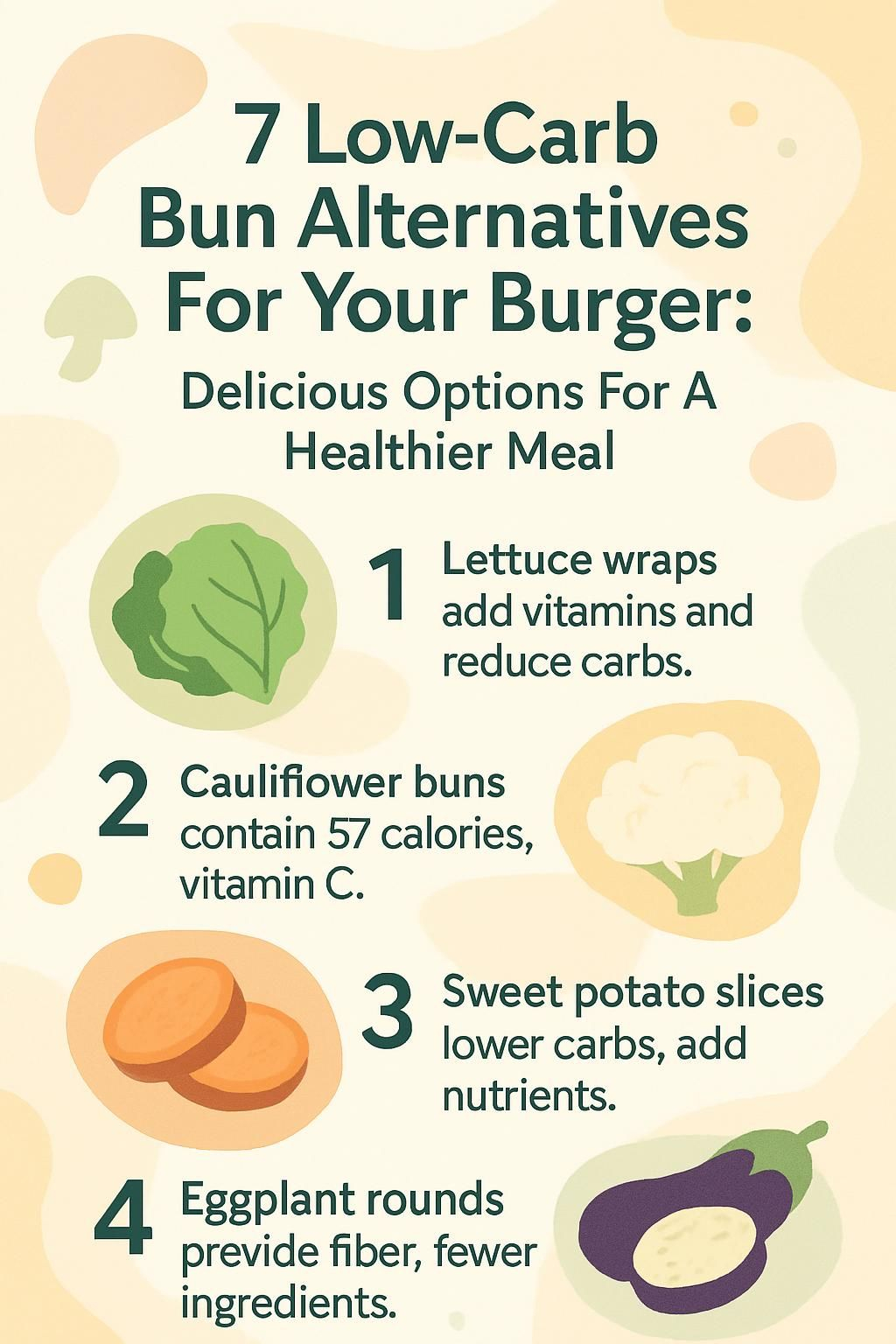
7 Low-Carb Bun Alternatives For Your Burger: Delicious Options For A Healthier Meal

Looking for a more health-conscious burger substitute? Many individuals strive to cut back on carbs while maintaining taste. This guide presents 7 nutritious, low-carb replacements for conventional burger buns.

Discover your tasty options!

1. Lettuce wraps – A vibrant, fresh choice that reduces calories and adds a crunch.

2. Sweet potato slices – Provide a sweet hint and pack with vitamins.

3. Cauliflower buns – Excellent for incorporating veggies into your meal and keeping it low carb.

4. Zucchini buns – Light and flavorful, they give any burger a distinctive touch.

5. Portobello mushrooms – Contribute an umami flavor while sturdy enough to hold your patty.

6. Whole wheat pita – A healthier option that keeps the feeling of bread but with increased nutrients.

7. Eggplant slices – Thick and fulfilling, ideal for a hearty burger.

These substitutes lower the carbohydrate intake of your meal and increase its nutritional value by adding more vegetables or whole grains. If you’re adhering to a keto diet or simply looking for lighter choices, replacing standard buns with one of these can ensure your next grilled meal is both healthful and delicious.

Key Takeaways

  • Lettuce wraps cut carbs and add vitamins.
  • Portobello mushrooms are a low-calorie choice with flavor.
  • Cauliflower buns have 57 calories and lots of vitamin C.
  • Sweet potato slices reduce carbs and boost nutrients.
  • Eggplant rounds offer fiber without many extra ingredients.

Lettuce Wraps: A Classic Low-Carb Choice

Lettuce wraps serve as an excellent option for those desiring a decrease in carbs and calories. They substitute typical white hamburger buns with a healthier option, like infant iceberg or romaine leaves.

These kinds of lettuce provide your burger with beneficial components like vitamins, fiber, and antioxidants.

A professional in nutrition emphasizes that using lettuce in place of regular buns trims down on carbs while amplifying the nutritional worth of your meal.

Opting for lettuce as a bun substitute keeps your burger flavorful, but also makes it align more with a diet low in carbs. Numerous recipes demonstrate the ease of using lettuce in this manner.

This technique gives a way to relish burgers in a more nutritious way, providing a straightforward path for healthier eating without losing taste.

Portobello Mushrooms: A Savory and Sturdy Option

Portobello mushrooms are a smart choice for those wanting to lower their carb intake with burgers. Each mushroom contains only 18 calories, making it a lighter option. They have 3 grams of carbohydrates and 2 grams of protein, plus 1 gram of fiber each.

Grilling enhances the flavor of portobello mushrooms. Adding olive oil or spices before grilling boosts their taste even more.

The portobello guacamole burger is a popular recipe that uses these mushrooms as a bun alternative. This swap reduces refined carbs and calories while maintaining deliciousness. Portobello mushrooms stand out among the top seven nutritious low-carb options for burger enthusiasts who seek both flavor and health benefits in their meals.

Cauliflower Buns: A Trendy and Versatile Alternative

Cauliflower buns are low in carbs, with each bun containing only 57 calories and 5.1 grams of carbohydrates. They’re also a good source of fiber and protein, offering 2.4 grams and 3.6 grams respectively.

These buns are rich in vitamin C, providing about 57% of the daily requirement. The Cheeseless Everything Bagel Cauliflower Rolls by Lexi Davidson offer a healthy alternative to traditional burger buns by reducing refined carbs and calories for a guilt-free burger experience.

Sweet Potato Slices: A Nutrient-Packed Twist

Sweet potato slices offer a nutrient-rich alternative to traditional burger buns. A small raw sweet potato contains approximately 13.5 grams of carbohydrates and nearly 2 grams of fiber.

These tubers are abundant in beta-carotene, promoting weight management and overall well-being. Substituting white bread buns with sweet potatoes can reduce refined carbohydrates and calorie consumption, while increasing vital nutrients such as vitamins, fiber, and antioxidants for a healthier meal choice.

Eggplant Rounds: A Unique and Flavorful Choice

Eggplant slices serve as a low-carb option for burger buns. A quarter of a raw eggplant offers about 3.5 grams of fiber, constituting 13% of the Daily Value (DV). Eggplant rounds require fewer added ingredients than other substitutes like cauliflower buns, which often incorporate flours.

Simple seasoning with olive oil and salt is ideal for preparing eggplant slices. Utilizing eggplant as a bun alternative enhances the nutritional value of meals with vitamins and fiber.

The Grilled Eggplant Bun Burger by Alice Choi exemplifies a recipe utilizing eggplant buns. By integrating eggplants into your diet, you can supplement nutrients in your meals and augment the overall healthfulness of your burger options, providing numerous benefits while being easy to prepare.

Grilled Zucchini Strips: A Light and Healthy Option

Grilled zucchini strips are a healthy choice for making low-carb burgers. Zucchinis have carotenoids, good for eyesight and skin health. Two raw zucchini slices have less than 1 gram of carbohydrates.

Using veggies instead of bread makes meals more nutritious. Grilled zucchinis pair well with various toppings while keeping carbs low.

Bell Pepper Halves: A Crunchy and Vibrant Substitute

Bell pepper halves are a crunchy and colorful substitute for traditional burger buns. They provide a satisfying crunch and vibrant flavor to your burger. Bell peppers are low in calories and high in nutrients, making them a healthy option for your meal.

Their sturdy texture also holds up well with the juicy burger patty, providing a delightful eating experience.

These bell pepper halves can be grilled or roasted to add an extra layer of smokiness, enhancing the overall flavor profile of your burger. Their natural sweetness complements the savory elements of the burger, creating a well-balanced taste.

Besides, bell peppers are rich in vitamin C, which supports immune function and overall health. Including these colorful pepper halves as bun substitutes not just adds visual appeal but also contributes to a nutritious and delicious burger experience.

Tips for Preparing and Pairing These Low-Carb Alternatives

Here are some tips for preparing and pairing these low-carb alternatives:

  1. Wash and dry lettuce leaves thoroughly before using them as wraps. Choose large, sturdy leaves to hold your burger toppings.
  2. Remove the stems from portobello mushrooms and brush them with olive oil before grilling or baking. This adds flavor and helps them hold up better.
  3. When making cauliflower buns, ensure that the cauliflower is finely grated and well-squeezed to remove excess moisture, which helps create a firmer bun.
  4. Slice sweet potatoes evenly to ensure they cook uniformly and make sure not to overcrowd the baking sheet for crispier slices.
  5. When using eggplant rounds, sprinkle them with salt and let them sit for a few minutes to draw out any bitterness before cooking.
  6. Before grilling zucchini strips, brush them lightly with oil to prevent sticking and enhance their flavor.
  7. When using bell pepper halves as buns, choose firm peppers and slice off the rounded edges to make assembling easier while ensuring stability.
  8. Consider flavor profiles when pairing these alternatives with your burger toppings; for example, mushroom caps work well with rich, savory fillings while lettuce wraps complement lighter ingredients.
  9. Experiment with different seasoning blends or marinades to enhance the natural flavors of these low-carb alternatives while complementing your choice of protein.

Frequently Asked Questions About Low-Carb Bun Options

What are some low-carb alternatives to traditional buns? How many carbs do these options typically have? Are these alternatives suitable for people with gluten intolerance or following a keto diet? What are the best ways to prepare and pair these low-carb bun options with different types of burgers and fillings? Can I find these alternatives in regular grocery stores, or do I need to visit specialty shops?

Benefits of Choosing Low-Carb Buns for Your Burger

Low-carb buns offer you a healthier option compared to traditional ones, supporting your nutritious eating habits. Portobello mushrooms and cauliflower buns are low-calorie alternatives loaded with vitamins and fiber, benefiting your body while satisfying your burger cravings.

Grilled pineapple slices deliver natural sweetness along with digestion and anti-inflammatory perks. These options also fit gluten-free and clean-keto diets, aiding you in maintaining a wholesome diet.

By opting for these low-carb bun alternatives such as lettuce wraps or grilled zucchini strips, you can cut down on refined carbs while boosting vitamin intake. The versatility of these options allows you to enjoy various flavors without compromising taste, making them perfect for those seeking healthy yet delicious burger choices.

Conclusion

In conclusion, these low-carb bun alternatives offer nutritious and tasty options for a healthier burger meal. In just a few easy swaps, you can enjoy the deliciousness of burgers without compromising on flavor or satisfaction.

Whether it’s using lettuce wraps, portobello mushrooms, cauliflower buns, or any other alternative mentioned, each option brings its unique twist to your favorite burger. By choosing these alternatives over regular buns, you can cut down on refined carbohydrates and calories while boosting your meal’s nutritional value with added vitamins and fiber.

So go ahead and give these low-carb bun substitutes a try — they might just become your new go-to for guilt-free burger indulgence!